Introduction to Fermented Foods and Why They Matter in Dubai’s Healthy Lifestyle
What Are Fermented Foods?
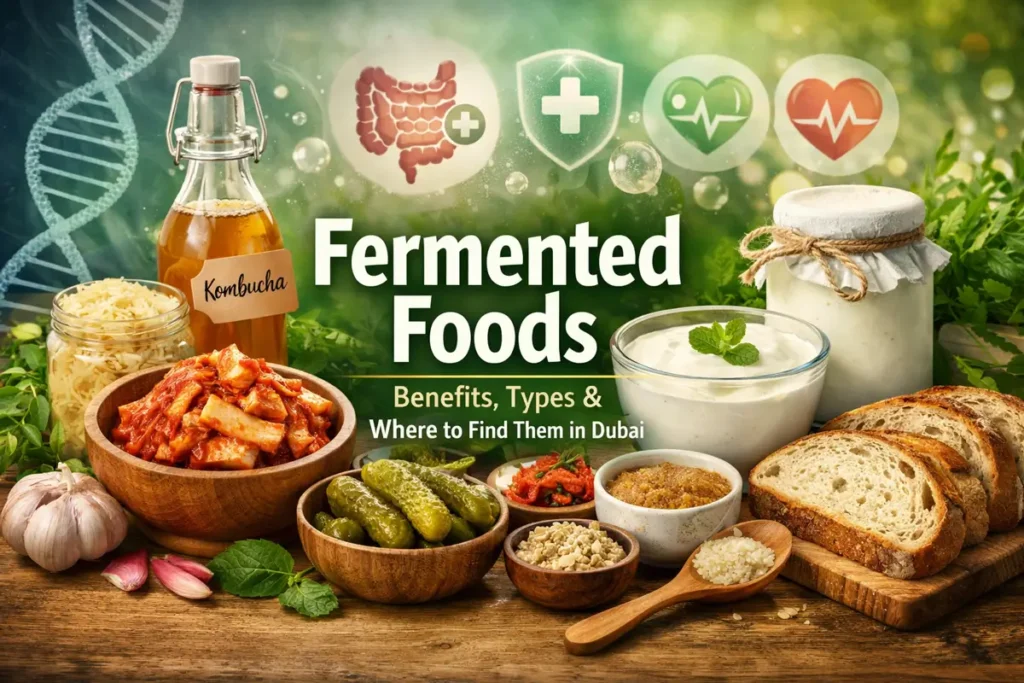
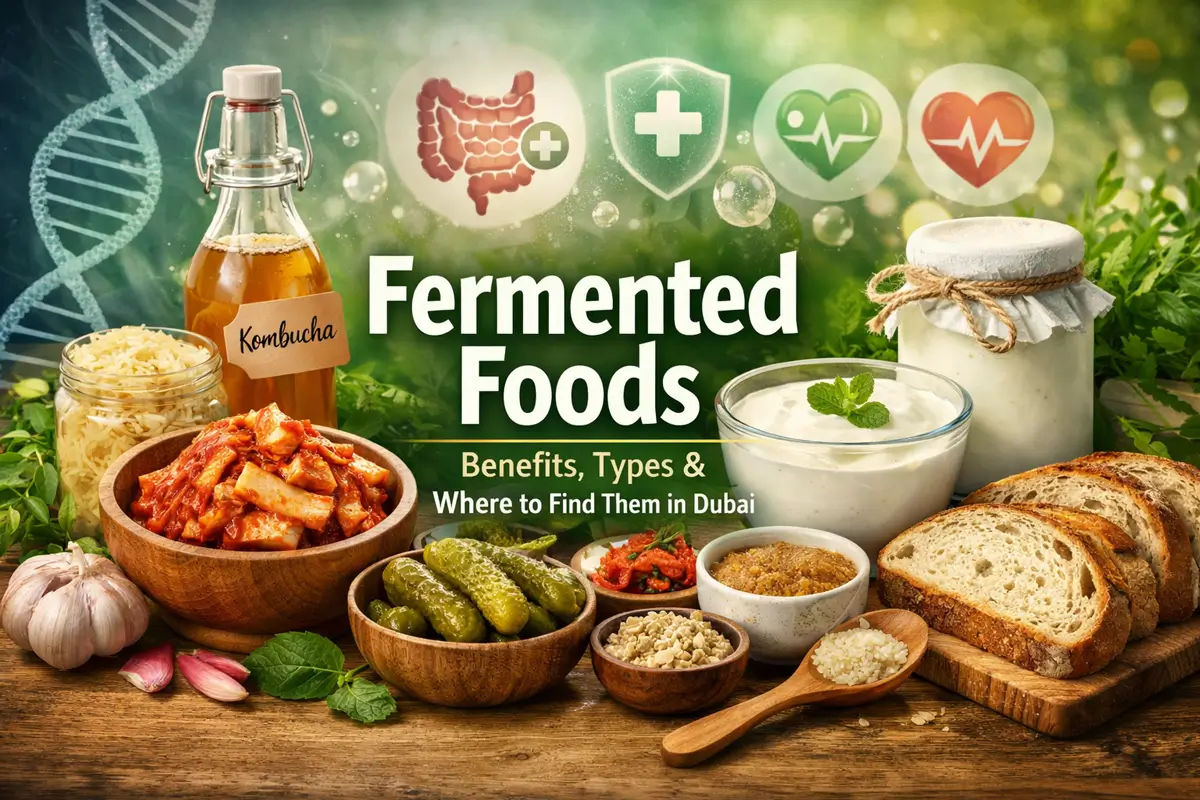
Fermented foods are foods that have undergone a natural process of fermentation, where microorganisms such as bacteria, yeast, or fungi break down food components like sugars and starches into more digestible forms. This process not only preserves food but also enhances its nutritional profile. In simpler terms, fermentation is the transformation of food through the action of microorganisms. This process has been used by various cultures for thousands of years to extend the shelf life of perishable foods and to create unique flavors. Examples of common fermented foods include yogurt, kimchi, sauerkraut, kefir, kombucha, and sourdough bread. While fermentation may sound like a relatively modern practice, it is, in fact, deeply rooted in ancient food preservation techniques across the globe.
Fermentation and Health: Why It Matters
Fermented foods are increasingly recognized for their health benefits, particularly when it comes to supporting gut health. The microorganisms responsible for fermentation produce beneficial compounds like probiotics, which are live bacteria that can help balance the gut microbiome. A balanced microbiome is essential for optimal digestion, a strong immune system, and even mental health. Probiotics found in fermented foods have been linked to improved digestion, reduced inflammation, enhanced immune function, and even better mood regulation.
Furthermore, fermented foods are known to increase the bioavailability of certain nutrients. This means that the nutrients in fermented foods, such as vitamins and minerals, are more easily absorbed by the body. For instance, fermentation can increase the levels of B vitamins and certain amino acids, making these foods not only delicious but nutritionally potent. Fermentation also breaks down lactose in dairy products, which can make them more digestible for people who are lactose intolerant.
Fermented Foods in Dubai’s Health-Conscious Culture
Dubai, known for its modern, fast-paced lifestyle and diverse cultural influences, is home to a population that is becoming increasingly health-conscious. The city’s food scene is evolving to accommodate this shift, with more people seeking out nutritious and functional foods like fermented options. Dubai’s hot climate can often lead to dehydration and digestive issues, making gut health even more important. In this context, fermented foods offer a range of benefits, providing not only hydration (through foods like kombucha and kefir) but also a natural way to support digestive health, improve immune function, and promote overall well-being.
The rise in demand for healthier food options in Dubai has led to the proliferation of specialty stores and cafes that offer fermented foods. These establishments cater to both expats and locals who are looking to incorporate more gut-friendly foods into their diets. Additionally, fermented foods are being embraced by Dubai’s wellness community, including nutritionists, dietitians, and fitness experts, who highlight the importance of maintaining a balanced gut microbiome for overall health. As the city’s residents grow more health-conscious and aware of the benefits of fermented foods, these options are expected to continue growing in popularity.
The Role of Fermented Foods in Dubai’s Traditional and Modern Diets
While Dubai is known for its luxurious, modern lifestyle, it also has deep-rooted culinary traditions. Fermented foods have a place in traditional Emirati cuisine, though they may not always be as prominent as in other global cuisines. For example, fermented foods like “gheymar” (fermented dairy) and pickled vegetables have been staples in the Middle Eastern diet for centuries. These traditional foods, once primarily homemade, are now finding their way into commercial kitchens and grocery stores across the city. The resurgence of interest in fermented foods is also encouraging Dubai’s chefs to experiment with these age-old techniques to create innovative dishes that are both delicious and nutritious.
In recent years, modern influences from global food trends have also played a significant role in shaping Dubai’s food culture. As the world has embraced the benefits of probiotics and gut health, fermented foods have become an essential part of Dubai’s health-focused menus. Whether it’s a trendy smoothie bowl topped with kefir granola or a kombucha-infused drink at a local café, Dubai’s contemporary food scene is becoming increasingly aligned with global health trends that prioritize fermented, probiotic-rich foods.
Conclusion: Why Fermented Foods Are Essential to a Healthy Lifestyle in Dubai
Fermented foods are not just a passing trend; they are a vital component of a healthy, well-rounded diet. As Dubai’s health-conscious population continues to grow, the importance of fermented foods is becoming more recognized. These foods offer a natural way to improve digestion, enhance immunity, and boost overall health, making them an ideal choice for anyone living in or visiting this vibrant city. Whether enjoyed in traditional forms or integrated into modern dishes, fermented foods have secured their place in Dubai’s culinary landscape, contributing to the city’s ongoing journey towards health and wellness. By incorporating more fermented foods into your diet, you can support your gut health and embrace a holistic, balanced lifestyle that aligns with Dubai’s progressive approach to healthy living.
What Is a Fermented Food? Definition, Process, and Scientific Explanation
Understanding Fermented Foods: Definition and Key Concepts
Fermented foods are foods that have undergone a process of fermentation, a metabolic process that involves the breakdown of carbohydrates—such as sugars and starches—by microorganisms like bacteria, yeast, or molds. These microorganisms convert the sugars and starches into acids, gases, or alcohol, which gives the food its distinctive flavor, texture, and preservation properties. Fermentation has been used for thousands of years as a method of preserving food, enhancing its flavor, and increasing its nutritional value. The process creates food products that are not only delicious but also rich in probiotics, beneficial bacteria that can improve digestion and overall health.
Fermented foods can be found in many different cultures and cuisines around the world. The most well-known examples of fermented foods include yogurt, sauerkraut, kimchi, kombucha, kefir, miso, and sourdough bread. While fermentation is often associated with dairy products, it can also occur in vegetables, fruits, grains, and beverages, making it a versatile technique for preserving and enhancing a wide variety of foods.
The Science of Fermentation: How It Works
Fermentation is a natural biochemical process that occurs when microorganisms break down complex organic compounds, typically sugars, into simpler molecules. In the case of alcoholic fermentation, yeast breaks down glucose and other sugars into ethanol and carbon dioxide. In lactic acid fermentation, bacteria such as *Lactobacillus* convert sugars into lactic acid, which not only preserves the food but also gives it a tangy, sour taste.
This process can be divided into three main stages:
Inoculation: Fermentation begins when microorganisms, such as naturally occurring bacteria or yeast, are introduced to the food. In some cases, specific strains of bacteria or yeast are added deliberately (like in the case of making yogurt or kombucha), while in others, the microorganisms occur naturally in the environment, on the food’s surface, or in the air.
Fermentation: Once the microorganisms are introduced, they begin to consume the sugars present in the food, which leads to the production of metabolites such as alcohol or lactic acid. During this stage, the food undergoes a change in texture, flavor, and nutritional content, as the microorganisms break down sugars and proteins into simpler, more digestible compounds.
Post-Fermentation: After the fermentation process is complete, the food may undergo additional steps such as drying, storing, or aging. Some fermented foods require refrigeration or can be preserved at room temperature for extended periods, depending on the specific microbial action and the environmental conditions.
The result is a food product that often has a unique flavor profile—ranging from mildly tangy to intensely sour—and a greater range of health benefits due to the increased bioavailability of nutrients and the presence of probiotics.
The Role of Microorganisms in Fermentation
Microorganisms are the stars of the fermentation process, and understanding their role is essential for appreciating why fermented foods are so beneficial to health. There are different types of microorganisms involved in fermentation, including bacteria, yeasts, and molds. These microorganisms play a critical role in breaking down complex food components, making them easier to digest, and enhancing their nutritional profile.
Bacteria: Lactic acid bacteria (LAB) are the most commonly involved in fermentation, particularly in dairy and vegetable products. They thrive in anaerobic (low-oxygen) environments and are responsible for the production of lactic acid. This acid lowers the pH of the food, which helps preserve it and creates the signature tangy taste in foods like yogurt, sauerkraut, and kimchi. Bacteria such as Lactobacillus and Bifidobacterium are especially known for their probiotic properties, promoting gut health by maintaining a healthy balance of bacteria in the digestive system.
Yeasts: Yeasts are responsible for alcoholic fermentation and are most commonly associated with the production of alcoholic beverages like beer, wine, and spirits. Yeasts such as Saccharomyces cerevisiae also play a role in sourdough bread fermentation, where they produce carbon dioxide, causing the dough to rise. In addition to alcohol and carbon dioxide, yeasts can contribute to the flavor of the fermented food by producing compounds such as esters and phenols.
Molds: Molds are less commonly involved in everyday food fermentation, but they play a key role in certain specialty foods like blue cheese and miso. The mold Penicillium roqueforti is responsible for the characteristic blue veins in blue cheese, while Aspergillus oryzae is used in the production of miso and soy sauce.
Each of these microorganisms is beneficial in its own way. They contribute to the food’s preservation, enhance its digestibility, and often increase the concentration of specific vitamins and minerals. For example, lactic acid bacteria can produce B vitamins during fermentation, while yeast fermentation can lead to the production of bioactive compounds like antioxidants.
The Health Benefits of Fermented Foods
Fermented foods are packed with health benefits, many of which are directly linked to the action of the microorganisms that drive the fermentation process. One of the most well-known benefits of fermented foods is their ability to improve gut health by providing a rich source of probiotics. Probiotics are live bacteria and yeasts that are beneficial to human health, particularly in maintaining a balanced gut microbiome.
The health benefits of consuming fermented foods extend beyond gut health. Probiotics have been shown to:
Support Digestion: Fermented foods contain beneficial bacteria that can improve digestion by balancing the gut microbiome. A healthy gut microbiome is essential for the breakdown and absorption of nutrients, as well as for preventing digestive issues like bloating, constipation, and diarrhea.
Enhance Immune Function: A significant portion of the immune system resides in the gut, and by promoting a healthy microbiome, fermented foods can enhance immune function and help protect against infections.
Improve Mental Health: Emerging research suggests that the gut-brain axis—the connection between the gut and the brain—plays a crucial role in mental health. Studies have shown that probiotics found in fermented foods may help reduce symptoms of anxiety and depression, as well as improve cognitive function.
Increase Nutrient Absorption: Fermentation can break down compounds in food that might otherwise hinder nutrient absorption. For example, the fermentation of grains and legumes can reduce the presence of phytic acid, a compound that inhibits the absorption of minerals like iron and zinc. As a result, fermented foods may have a higher bioavailability of essential nutrients.
Aid in Detoxification: Some fermented foods, particularly those made with beneficial bacteria, can help detoxify the body by removing harmful compounds and enhancing liver function.
Conclusion: The Significance of Fermented Foods in Modern Diets
Fermented foods are a cornerstone of traditional diets around the world and are increasingly recognized for their significant health benefits. The process of fermentation, driven by microorganisms like bacteria, yeast, and molds, not only preserves food but also enhances its flavor and nutritional value. From improving gut health to supporting immune function and even enhancing mental well-being, fermented foods offer a range of health advantages that make them an essential part of a balanced diet. Understanding the science behind fermentation helps us appreciate how these foods work on a deeper level and why they are so valuable for maintaining overall health and wellness.
How Fermentation Works: Bacteria, Yeast, and Natural Preservation
The Role of Bacteria in Fermentation
Bacteria play a crucial role in the fermentation process, particularly in the production of lactic acid and other byproducts that contribute to the preservation, texture, and flavor of fermented foods. Lactic acid bacteria (LAB), such as *Lactobacillus* and *Bifidobacterium*, are the primary microorganisms responsible for the fermentation of many food products, including yogurt, kimchi, sauerkraut, and pickles. These bacteria thrive in anaerobic (low-oxygen) environments and are capable of converting sugars, primarily glucose, into lactic acid. This acidification lowers the pH of the food, creating an environment that inhibits the growth of spoilage-causing microorganisms and pathogens, thus preserving the food for longer periods.
The fermentation process starts when bacteria are introduced to the food through natural sources or via starter cultures added intentionally. As the bacteria consume the sugars in the food, they produce lactic acid as a byproduct. This increase in acidity gives fermented foods their characteristic sour taste and contributes to their extended shelf life. The production of lactic acid not only preserves the food but also makes it easier to digest by breaking down complex carbohydrates and proteins. Additionally, certain strains of lactic acid bacteria also produce bioactive compounds such as bacteriocins, which further protect the food from harmful microorganisms and enhance its health benefits, particularly its probiotic properties.
In addition to enhancing the preservation of food, lactic acid bacteria also offer significant health benefits. The probiotics found in fermented foods can positively influence the gut microbiota, promoting the growth of beneficial bacteria and improving digestion. Research has also shown that certain strains of lactic acid bacteria can help reduce inflammation, improve immune function, and even enhance mental health by influencing the gut-brain axis.
The Role of Yeast in Fermentation
Yeast is another critical microorganism involved in the fermentation process, especially in the production of alcoholic beverages, bread, and other leavened products. Yeast, particularly *Saccharomyces cerevisiae*, is the type of yeast most commonly associated with alcoholic fermentation and the rise of dough. When yeast ferments sugars, it produces two primary byproducts: ethanol (alcohol) and carbon dioxide.
In alcoholic fermentation, yeast consumes the sugars in fruits, grains, or other sugary substrates, converting them into alcohol and carbon dioxide. This process is what creates alcoholic beverages like wine, beer, and spirits. In addition to its role in producing alcohol, the carbon dioxide produced by yeast causes bread dough to rise, giving it a light and airy texture. The carbon dioxide bubbles create pockets of air within the dough, leading to the desired texture and volume in bread and other baked goods.
Yeast also contributes to the flavor of fermented foods. During fermentation, yeast produces a wide variety of volatile compounds, including esters, alcohols, and phenols, which contribute to the characteristic flavors and aromas of fermented foods like sourdough bread, beer, and kombucha. Yeast fermentation also plays a role in the production of certain vitamins, such as B vitamins, and can help break down certain complex compounds, making the nutrients in fermented foods more bioavailable.
Furthermore, yeast fermentation is an essential component of some health-conscious fermented beverages, such as kombucha. In kombucha, a symbiotic culture of bacteria and yeast (SCOBY) is used to ferment sweetened tea. The yeast consumes the sugar, producing alcohol and carbon dioxide, while the bacteria produce acetic acid, giving the beverage its tangy flavor. The combination of yeast and bacteria in kombucha creates a unique blend of fermentation byproducts that offer a range of potential health benefits, such as improved digestion, detoxification, and immune support.
Natural Preservation Through Fermentation
One of the most important aspects of fermentation is its ability to preserve food naturally without the need for artificial preservatives or refrigeration. The preservation process in fermentation occurs through a combination of factors, including the production of acid, alcohol, and the establishment of a competitive environment where harmful microorganisms cannot thrive.
When foods undergo fermentation, the pH of the food drops as lactic acid, acetic acid, and other organic acids are produced. This acidification creates an environment in which spoilage-causing bacteria, molds, and yeasts cannot survive. The lower pH also slows down the growth of pathogenic bacteria, ensuring that the food remains safe to eat for an extended period. This is why fermented foods such as pickles, kimchi, and sauerkraut can be stored for weeks or even months without spoiling, as long as they are kept under the right conditions.
Fermentation also acts as a form of preservation through the production of alcohol. In alcoholic fermentation, yeast converts sugars into ethanol, which has preservative properties. The alcohol produced during fermentation can inhibit the growth of spoilage organisms, further extending the shelf life of fermented beverages like wine, beer, and spirits. The alcohol content in these beverages, in combination with other fermentation byproducts, acts as a natural preservative, keeping the product safe for consumption over time.
Another way fermentation contributes to natural preservation is by increasing the salinity of the food. In the fermentation of foods like pickles or olives, salt is often used as part of the fermentation medium. The salt helps to draw out water from the food, creating a brine that further inhibits the growth of harmful bacteria. The brine also helps to maintain the texture and flavor of the food during the fermentation process. In fact, salt is such an important preservative in fermentation that it has been used for centuries to preserve meats, fish, and vegetables.
Finally, fermentation enhances the stability of certain foods by producing antimicrobial compounds. In addition to lactic acid, some types of fermentation produce substances like hydrogen peroxide, bacteriocins, and organic acids that actively inhibit the growth of harmful microorganisms. For example, the fermentation of dairy products, such as yogurt, not only lowers the pH but also produces bacteriocins, which are proteins that help kill or inhibit the growth of pathogenic bacteria. This combination of factors—acidification, alcohol production, and the creation of antimicrobial environments—makes fermentation one of the most effective and natural methods of food preservation.
Conclusion: The Power of Fermentation in Natural Food Preservation
Fermentation is a natural process that harnesses the power of microorganisms like bacteria and yeast to preserve food, enhance its nutritional content, and improve its digestibility. The roles of bacteria and yeast in fermentation are multifaceted, with bacteria contributing to the acidification of food and yeast responsible for alcohol production and leavening. Through the fermentation process, foods are not only preserved but also enriched with probiotics, vitamins, and other beneficial compounds that support health. The natural preservation that fermentation provides—through acid production, alcohol, and antimicrobial compounds—makes it one of the oldest and most effective techniques for extending the shelf life of foods. As modern interest in healthy eating grows, the practice of fermentation is being rediscovered as an essential method for creating nutrient-dense, probiotic-rich foods that support gut health, boost immunity, and promote overall wellness.
Health Benefits of Fermented Foods for Gut Health, Immunity, and Weight Management
Gut Health: How Fermented Foods Promote a Balanced Microbiome
One of the most significant benefits of fermented foods is their positive impact on gut health. Our gastrointestinal tract is home to trillions of microorganisms, collectively known as the gut microbiome. This microbiome plays a crucial role in digestion, nutrient absorption, immune function, and even mental health. Fermented foods, rich in probiotics (live beneficial bacteria), can help maintain or restore the balance of these microorganisms, promoting a healthy gut ecosystem.
Fermented foods like yogurt, kimchi, kefir, and sauerkraut are packed with probiotics that aid in digesting food more efficiently. These beneficial bacteria help break down complex carbohydrates, proteins, and fats, making them easier to absorb and process by the body. This is particularly beneficial for individuals who struggle with digestive issues like bloating, constipation, or indigestion. The probiotics in fermented foods can also help alleviate symptoms of irritable bowel syndrome (IBS) and other digestive disorders by reducing gut inflammation and promoting regular bowel movements.
In addition to probiotics, fermented foods also contain enzymes that support digestion. For example, kefir and kombucha are known to contain digestive enzymes that help break down lactose, the sugar found in milk, making them more tolerable for people with lactose intolerance. Furthermore, fermentation can reduce the amount of anti-nutrients in foods such as phytic acid, which can hinder the absorption of minerals like iron and zinc. By breaking down these anti-nutrients, fermentation helps to make the nutrients in foods more bioavailable, contributing to better overall nutrition.
Fermented foods also play a role in enhancing the gut lining, which is essential for preventing “leaky gut syndrome,” a condition where the intestinal lining becomes damaged, allowing harmful toxins and bacteria to enter the bloodstream. Probiotics found in fermented foods help strengthen the gut lining, ensuring that it remains intact and functions optimally. This contributes to a healthy immune system and protects against chronic inflammatory diseases.
Boosting Immunity: Fermented Foods as Immune System Enhancers
The immune system and gut health are intricately linked, and fermented foods play a crucial role in supporting both. Around 70% of the immune system is housed in the gut, making the gut microbiome a central player in immune function. By promoting a healthy balance of beneficial bacteria, fermented foods help the body fight off infections, reduce inflammation, and maintain overall immune system health.
Fermented foods are rich in beneficial bacteria such as Lactobacillus, Bifidobacterium, and Saccharomyces, which enhance immune response by stimulating the production of immunoglobulins (antibodies). These antibodies are responsible for identifying and neutralizing pathogens like viruses, bacteria, and fungi. The probiotics found in fermented foods can also help regulate the balance of T-cells, which are vital for immune defense. T-cells help coordinate the body’s immune response, and maintaining their balance is crucial for preventing autoimmune conditions and chronic inflammation.
Furthermore, fermented foods like kimchi, sauerkraut, and kombucha are rich in antioxidants and anti-inflammatory compounds that help protect the body from oxidative stress. Oxidative stress occurs when there is an imbalance between free radicals (unstable molecules) and antioxidants in the body, leading to inflammation and cellular damage. The fermentation process increases the production of bioactive compounds, such as polyphenols, which act as powerful antioxidants, reducing the risk of chronic diseases like heart disease, diabetes, and cancer.
The role of probiotics in immune modulation extends beyond the gut. Studies have shown that probiotics can enhance the function of immune cells like macrophages and dendritic cells, which are responsible for detecting and eliminating pathogens in the body. Probiotics may also reduce the risk of infections by competing with harmful bacteria for space and nutrients in the gut, preventing pathogenic bacteria from colonizing and causing illness.
In addition, certain fermented foods, particularly those containing prebiotics like kimchi, miso, and fermented grains, can further enhance the immune-boosting benefits by acting as food for the probiotics. Prebiotics are non-digestible fibers that feed the beneficial bacteria in the gut, allowing them to thrive and multiply, strengthening the immune response.
Weight Management: How Fermented Foods Can Help with Weight Loss
Incorporating fermented foods into your diet can also play a significant role in weight management and fat loss. Research has shown that the gut microbiome directly influences metabolic health, including fat storage, appetite regulation, and energy expenditure. A balanced microbiome, supported by probiotics found in fermented foods, can help regulate key hormones involved in weight control, such as leptin and ghrelin, which control hunger and satiety.
One of the main ways fermented foods contribute to weight management is by improving gut health and digestion. When the digestive system is functioning optimally, the body can break down and absorb nutrients more effectively, reducing bloating and improving metabolic processes. By improving digestion, fermented foods help reduce the likelihood of storing excess fat due to inefficient nutrient absorption or food sensitivities that can lead to inflammation and water retention.
Fermented foods also support healthy blood sugar levels, which play a critical role in weight control. The gut microbiome influences insulin sensitivity, and consuming probiotic-rich foods has been linked to better insulin regulation. Insulin is a hormone that helps control blood sugar levels, and when the body is more sensitive to insulin, it is better able to regulate fat storage. Studies have shown that individuals with an imbalance of gut bacteria often experience insulin resistance, which can lead to weight gain and obesity. By supporting a healthy microbiome, fermented foods help prevent insulin resistance and promote a more stable blood sugar level.
Certain fermented foods, like kefir and kombucha, also contain compounds that can support fat burning. For example, studies suggest that the polyphenols found in kombucha may help reduce body fat by improving fat metabolism. Additionally, fermented dairy products like yogurt and kefir are rich in protein, which can increase feelings of fullness and reduce overall calorie intake. Protein is a known appetite suppressant, and incorporating high-protein fermented foods into your diet can help you feel satisfied and prevent overeating.
Furthermore, the beneficial bacteria in fermented foods can help reduce inflammation, which is often associated with obesity and metabolic syndrome. Chronic inflammation can interfere with the body’s ability to metabolize fat and regulate hormones. By promoting a healthy gut microbiome, fermented foods reduce systemic inflammation, which can support healthier weight management over time.
Conclusion: The Comprehensive Health Benefits of Fermented Foods
Fermented foods provide a wide range of health benefits that go beyond their ability to preserve food. By promoting a balanced gut microbiome, these foods enhance digestion, boost immune function, and contribute to weight management. The probiotics found in fermented foods support the growth of beneficial bacteria in the gut, which improves nutrient absorption, reduces inflammation, and enhances the immune response. These benefits, combined with the bioactive compounds produced during fermentation, make fermented foods an essential part of a healthy, well-balanced diet. Incorporating more fermented foods into your daily routine can improve gut health, strengthen your immune system, and support weight loss, making them a valuable tool for anyone looking to enhance their overall well-being.
Top Examples of Fermented Foods Popular in Dubai (Yogurt, Kefir, Kimchi, Kombucha, Labneh, Pickles)
Yogurt: A Staple Fermented Dairy Product
Yogurt is one of the most widely consumed fermented foods in Dubai, where it has become a staple in both traditional and modern diets. This creamy, tangy product is made through the fermentation of milk by beneficial bacteria, primarily *Lactobacillus* and *Streptococcus* species. These bacteria break down the lactose in the milk, converting it into lactic acid, which gives yogurt its characteristic tangy taste and thick texture.
The benefits of yogurt extend beyond its flavor. It is an excellent source of probiotics, which are live bacteria that promote a healthy gut microbiome. The probiotics in yogurt help support digestion by improving the balance of good bacteria in the digestive system. They also assist in the breakdown of lactose, making yogurt a more tolerable option for individuals who are lactose intolerant.
In Dubai, yogurt is often enjoyed in various forms. Traditional plain yogurt is commonly paired with fruits, honey, or nuts as a breakfast dish. It can also be incorporated into savory dishes, such as in the preparation of dips like tzatziki, or as a condiment for grilled meats and vegetables. Additionally, yogurt is often used in popular Middle Eastern dishes like shawarma and kebabs, where it serves as a cooling and flavorful accompaniment to spicy foods. Beyond its probiotic content, yogurt is a rich source of calcium, protein, and B vitamins, making it a valuable addition to any diet.
Kefir: A Probiotic-Rich Drink for Digestive Health
Kefir is another popular fermented food that has gained increasing popularity in Dubai, especially among health-conscious individuals. Originating from the Caucasus Mountains, kefir is a fermented milk drink made by inoculating milk with a combination of yeast and lactic acid bacteria. The resulting fermentation produces a tangy, effervescent beverage with a consistency similar to drinkable yogurt but with a more complex flavor and a higher concentration of probiotics.
What sets kefir apart from other fermented dairy products is its diverse microbial composition. Unlike yogurt, which typically contains a few strains of bacteria, kefir is made with a combination of over 30 different strains of beneficial bacteria and yeasts. This diversity of microorganisms gives kefir its superior probiotic content, making it especially beneficial for gut health. Kefir has been shown to improve digestion, reduce symptoms of irritable bowel syndrome (IBS), and boost the immune system by promoting the growth of beneficial bacteria in the gut.
Kefir is typically consumed as a drink, but it can also be used in smoothies, salad dressings, and desserts. In Dubai, kefir is often found in health food stores, and many cafes and restaurants have started to offer it as a refreshing, nutrient-dense alternative to sugary beverages. With its high probiotic content, kefir also supports bone health by improving calcium absorption, and its protein content makes it a filling, nutritious option for a snack or light meal.
Kimchi: A Fermented Korean Delicacy with Powerful Health Benefits
Kimchi, a traditional Korean dish made from fermented vegetables, particularly napa cabbage and radishes, is becoming increasingly popular in Dubai. This spicy, tangy food is packed with flavor and health benefits, particularly due to its fermentation process. Kimchi is fermented using lactic acid bacteria, which are responsible for the sour taste and preservation of the dish. The fermentation process also enhances the bioavailability of nutrients, making the vitamins and minerals in kimchi more easily absorbed by the body.
Kimchi is known for its rich probiotic content, which helps improve gut health by promoting the growth of beneficial bacteria and restoring balance to the digestive system. The fermentation process also creates bioactive compounds like vitamins A, B, and C, as well as antioxidants that help fight inflammation and oxidative stress in the body. The garlic, ginger, and chili peppers commonly used in kimchi also provide additional health benefits, including antibacterial and anti-inflammatory properties, as well as a boost to the immune system.
In Dubai, kimchi is often served as a side dish or condiment alongside Korean and fusion cuisine. It is also used as an ingredient in dishes like kimchi fried rice, kimchi soups, and even kimchi tacos, where it adds a unique, bold flavor. Beyond its probiotic benefits, kimchi is low in calories and high in fiber, making it a great addition to a weight-management plan. Its spicy nature can also help to boost metabolism and improve digestion.
Kombucha: A Fermented Tea for Gut Health and Detoxification
Kombucha, a fermented tea beverage, is gaining popularity in Dubai as a health tonic due to its numerous benefits for gut health, detoxification, and immune support. Kombucha is made by fermenting sweetened tea with a symbiotic culture of bacteria and yeast (SCOBY). During fermentation, the yeast breaks down the sugar into alcohol, while the bacteria produce acetic acid, which gives kombucha its tangy flavor. The result is a lightly effervescent drink with a complex, slightly sour taste.
Kombucha is particularly valued for its high concentration of probiotics, which help balance the gut microbiome and improve digestion. The probiotics in kombucha can help regulate the digestive process, promote regular bowel movements, and alleviate symptoms of digestive disorders such as bloating and indigestion. In addition to its probiotic content, kombucha is rich in antioxidants, particularly polyphenols from tea, which help fight oxidative stress and support liver detoxification. The acids produced during fermentation also have a detoxifying effect on the body, promoting the elimination of toxins.
In Dubai, kombucha is increasingly available in cafes, health food stores, and even grocery chains. The drink comes in various flavors, including ginger, hibiscus, and lemon, providing a refreshing alternative to sugary sodas and juices. Kombucha is not only beneficial for gut health but also supports immune function, as the probiotics and antioxidants work together to strengthen the body’s defenses against illness and infection.
Labneh: A Creamy, Tangy Yogurt-Based Spread
Labneh, a strained yogurt product, is a popular and traditional fermented food in Dubai and the broader Middle East. It is made by draining the liquid whey from yogurt, resulting in a thick, creamy consistency similar to cheese. The fermentation process gives labneh its tangy flavor, which can range from mildly sour to more pronounced, depending on the fermentation time. Labneh is rich in probiotics, which help support a healthy digestive system and boost immunity.
In Dubai, labneh is often served as part of a mezze platter, where it is accompanied by olive oil, herbs, and spices, or used as a spread for flatbreads and pita. It is also commonly added to salads or served as a dip for vegetables. Due to its high probiotic content, labneh can aid in digestion, support the immune system, and contribute to overall gut health. It is also an excellent source of protein, calcium, and other essential nutrients, making it a nutritious addition to meals.
Labneh is often seen as a healthier alternative to traditional cream cheese or sour cream, as it is lower in fat and calories while still providing a rich, creamy texture. It also offers the benefits of probiotics, making it an excellent choice for anyone looking to improve gut health and maintain a balanced microbiome.
Pickles: A Fermented Food with a Tangy Twist
Pickles are another popular fermented food in Dubai, especially given the city’s love for tangy, flavorful dishes. While most people are familiar with pickles as cucumbers that have been preserved in vinegar, many pickles are actually made through the process of natural fermentation, where cucumbers or other vegetables are submerged in a saltwater brine. This brine encourages the growth of lactic acid bacteria, which ferment the sugars in the vegetables and produce lactic acid, preserving the pickles and giving them their signature sour flavor.
Fermented pickles are rich in probiotics, which support gut health by encouraging the growth of beneficial bacteria in the digestive system. The saltwater brine also helps balance the gut microbiome, supporting overall digestion and immune function. In addition to probiotics, pickles are low in calories, making them a healthy snack option for those looking to manage their weight.
Pickles are a common side dish in Dubai, often served with dishes like shawarma, falafel, and grilled meats. Their tangy, salty flavor complements rich, spicy foods and adds a refreshing contrast to heavier dishes. Whether made from cucumbers, carrots, or beets, fermented pickles are a flavorful and healthful addition to many meals.
Conclusion: Embracing Fermented Foods in Dubai
Fermented foods like yogurt, kefir, kimchi, kombucha, labneh, and pickles are widely enjoyed in Dubai for their rich flavors and numerous health benefits. These foods are not only delicious but also offer significant contributions to gut health, immunity, and overall well-being. As Dubai’s food culture continues to evolve, these fermented foods are becoming an essential part of the city’s health-conscious lifestyle. By incorporating more of these probiotic-rich foods into your diet, you can support your digestive system, boost your immune defenses, and enjoy a flavorful, diverse range of foods that promote long-term health.
Best Fermented Foods Available in Dubai Supermarkets and Organic Stores
Yogurt: A Probiotic-Packed Essential in Dubai Supermarkets
Yogurt is one of the most commonly available fermented foods in Dubai’s supermarkets and organic stores, and for good reason. With a long history in the region, yogurt is a versatile and nutritious food that has earned its place in countless kitchens. Supermarkets across Dubai stock a wide variety of yogurt, from traditional plain yogurt to more specialized varieties like Greek yogurt, flavored options, and even plant-based alternatives. The popularity of yogurt stems not only from its creamy texture and tangy taste but also from its incredible health benefits, especially its probiotic content.
In Dubai, yogurt is often made with a range of bacterial cultures, primarily Lactobacillus and Streptococcus thermophilus, which are responsible for its fermentation. These probiotics are crucial for supporting gut health, improving digestion, and boosting immunity. The probiotic content in yogurt helps maintain a balanced gut microbiome, which is essential for overall health and wellness. Many stores, such as Carrefour, Spinneys, and organic markets like Organic Foods & Café, offer yogurt options that cater to various dietary preferences, including non-dairy yogurts made from almond milk, coconut milk, and soy milk.
In addition to traditional yogurt, Dubai supermarkets also offer high-protein varieties like Greek yogurt, which has been strained to remove excess whey, resulting in a thicker texture and higher protein content. This makes Greek yogurt an excellent option for those looking to incorporate more protein into their diet. Yogurt is commonly enjoyed as a breakfast item, a snack, or as part of savory dishes, where it pairs beautifully with fresh vegetables, grains, and even grilled meats. Its versatility makes it a staple that should be on everyone’s shopping list in Dubai, whether in its classic or modern variations.
Kefir: A Popular Fermented Drink for Gut Health
Kefir is another exceptional fermented food that has gained significant traction in Dubai in recent years, particularly in health-focused communities. Available in major supermarkets such as Carrefour, Lulu Hypermarket, and specialized organic stores, kefir is a fermented milk drink known for its powerful probiotic content. Kefir is made by fermenting milk with a unique mixture of yeast and lactic acid bacteria, resulting in a tangy, effervescent beverage. Unlike yogurt, which contains a limited number of bacterial strains, kefir boasts a much wider variety of microorganisms, often containing over 30 different strains of bacteria and yeast, which makes it particularly beneficial for digestive health.
Kefir’s diverse microbial profile not only promotes a healthy gut microbiome but also offers a range of other health benefits. The probiotics in kefir have been shown to aid digestion, reduce symptoms of irritable bowel syndrome (IBS), and enhance the immune system by encouraging the growth of beneficial bacteria. Additionally, kefir contains bioactive compounds like B vitamins, calcium, and magnesium, which support overall health, particularly bone health and energy metabolism.
For those in Dubai seeking kefir, many supermarkets and organic food stores offer various flavored and plain kefir options, as well as non-dairy versions made from coconut, almond, or soy milk for those with lactose intolerance or following a plant-based diet. Kefir can be enjoyed on its own, blended into smoothies, or used as a base for salad dressings or even desserts. Given its health benefits and growing popularity, kefir is becoming a widely available and essential fermented drink in Dubai.
Kimchi: A Spicy, Probiotic-Rich Korean Delight
Kimchi, a traditional Korean fermented vegetable dish, is increasingly available in Dubai’s supermarkets and organic stores, appealing to those seeking a spicy, flavorful addition to their diets. Made primarily from napa cabbage and radishes, kimchi is fermented using lactic acid bacteria, resulting in a tangy, sour flavor profile that has made it a staple in Korean cuisine. The fermentation process enhances the bioavailability of nutrients in the vegetables, making kimchi a highly nutritious food packed with vitamins, minerals, and probiotics.
Kimchi is widely known for its digestive health benefits, particularly its high probiotic content, which helps improve gut flora, regulate bowel movements, and alleviate digestive discomfort. The lactic acid bacteria in kimchi are also linked to anti-inflammatory properties, boosting the immune system and supporting overall health. Additionally, kimchi contains high levels of vitamin C, which can help protect the body from oxidative stress and support immune function.
Dubai supermarkets, including Carrefour, Lulu Hypermarket, and organic stores like Organic Foods & Café, stock several varieties of kimchi, ranging from traditional napa cabbage kimchi to more modern takes that may include ingredients like beets, carrots, and even fruits. These varieties cater to diverse tastes and dietary preferences, offering options for those seeking a less spicy or milder version. Kimchi can be eaten as a side dish, added to salads, mixed into stir-fries, or enjoyed as a topping for sandwiches, providing a rich and tangy flavor along with its health benefits.
Kombucha: The Fermented Tea for Detoxification and Gut Health
Kombucha, a fermented tea beverage known for its effervescent quality and numerous health benefits, has become a favorite in Dubai, especially among those looking for a refreshing and gut-friendly drink. Kombucha is made by fermenting sweetened tea with a symbiotic culture of bacteria and yeast (SCOBY), which produces a naturally carbonated beverage rich in probiotics, organic acids, and antioxidants. The fermentation process not only adds a tangy flavor but also promotes detoxification, digestion, and immune support.
Kombucha is widely available in supermarkets and organic stores across Dubai, including Spinneys, Carrefour, and specialized organic food stores such as Organic Foods & Café. The drink comes in a variety of flavors, with popular options including ginger, hibiscus, lemon, and berry, providing a delicious and healthful alternative to sugary sodas. The probiotics in kombucha help support a healthy gut microbiome, reduce inflammation, and improve digestion. The drink’s high concentration of polyphenols, antioxidants found in tea, helps protect the body from oxidative stress and promotes detoxification, making kombucha a powerful aid for liver health and overall well-being.
Many kombucha options available in Dubai are low in sugar and caffeine, making them an excellent option for individuals looking to reduce their intake of these substances. For those new to kombucha, starting with milder flavors like ginger-lemon or cranberry can provide an introduction to its slightly tangy, effervescent taste. With its growing popularity, kombucha has become a must-have drink for those seeking to boost their gut health and improve their overall digestive and immune system function.
Labneh: A Middle Eastern Fermented Dairy Product
Labneh, a thick, creamy, and tangy strained yogurt, is a beloved Middle Eastern fermented food available in almost every supermarket and organic store in Dubai. Labneh is made by straining regular yogurt to remove excess whey, resulting in a dense, spreadable consistency similar to cream cheese but with a higher probiotic content. It is often served as a dip or spread, typically accompanied by olive oil, herbs, and spices, making it a flavorful addition to many meals.
Labneh is particularly popular in Dubai, where it is frequently found in mezze platters, which are served as part of a traditional Middle Eastern feast. In addition to its rich, creamy texture and distinctive flavor, labneh is packed with beneficial probiotics that support gut health by encouraging the growth of beneficial bacteria. The probiotics in labneh help maintain a healthy gut microbiome, which is essential for digestion, immunity, and overall health.
Many supermarkets and organic stores in Dubai, such as Spinneys and Carrefour, carry labneh in both traditional and low-fat versions. It is a highly versatile product that can be used in a variety of ways, including as a topping for fresh vegetables, a dip for bread or crackers, or a complement to grilled meats. Labneh is also a good source of calcium and protein, which support bone health and muscle function. Given its popularity and availability, labneh is a must-try fermented food for anyone in Dubai seeking to incorporate more probiotics into their diet.
Pickles: A Tangy and Versatile Fermented Snack
Pickles, made from cucumbers and other vegetables fermented in brine or vinegar, are an essential part of Dubai’s food scene. While pickles are often associated with a vinegar-based preservation method, many varieties in Dubai are naturally fermented, providing both the tangy taste and probiotic benefits of fermented foods. Pickles are readily available in supermarkets such as Carrefour, Spinneys, and Lulu Hypermarket, as well as organic stores, with a variety of options including cucumbers, carrots, olives, and even cauliflower.
Fermented pickles are an excellent source of probiotics, which support digestive health by enhancing the balance of good bacteria in the gut. These probiotics can improve digestion, reduce inflammation, and help alleviate bloating and gas. Additionally, fermented pickles are low in calories and high in fiber, making them a great option for those managing their weight. The salt used in the fermentation process also helps maintain hydration, especially during Dubai’s hot weather, by providing electrolytes.
Pickles are often served as a side dish with meals in Dubai, particularly with grilled meats, sandwiches, and falafel. They are also commonly found in traditional dishes like shawarma and kebabs. Given their versatility and health benefits, fermented pickles are a delicious and nutritious option for anyone looking to add more fermented foods to their diet.
Conclusion: Exploring the World of Fermented Foods in Dubai
Dubai’s supermarkets and organic stores offer a diverse selection of fermented foods that cater to a wide range of tastes and dietary preferences. From yogurt and kefir to kimchi, kombucha, labneh,
Fermented Foods in Middle Eastern Cuisine: Traditional Options in the UAE
The Role of Fermentation in Middle Eastern Cuisine
Fermentation plays a significant role in Middle Eastern cuisine, where it has been used for centuries to preserve food, enhance flavors, and improve the nutritional value of various ingredients. In the UAE, as well as in other parts of the Middle East, fermentation is a traditional practice that is deeply embedded in the culinary culture. The process of fermentation not only helps to extend the shelf life of food, especially in the hot desert climate, but it also imparts unique textures and tangy, complex flavors to dishes that are enjoyed across the region.
In the UAE, fermented foods are commonly used in both everyday meals and special occasions, often as accompaniments to the main course or as part of a larger mezze spread. The use of fermentation in Middle Eastern cooking not only serves a practical purpose of preservation but also contributes to the health benefits of these foods. Many fermented foods in the UAE are rich in probiotics, which are beneficial bacteria that promote gut health, boost the immune system, and aid in digestion. Fermentation also enhances the bioavailability of nutrients, making essential vitamins and minerals more easily absorbed by the body.
Traditional Middle Eastern fermented foods are characterized by their use of natural ingredients like vegetables, grains, dairy, and spices, and they often rely on a combination of lactic acid bacteria and yeasts to create the fermentation process. Some of the most iconic and widely consumed fermented foods in the UAE are yogurt, labneh, pickles, and various types of fermented bread. Let’s explore some of these foods in more detail.
Labneh: A Creamy Fermented Dairy Staple
Labneh is a quintessential fermented food in Middle Eastern cuisine, including the UAE, and it is often seen as an indispensable component of the traditional breakfast or mezze spread. Made by straining yogurt to remove excess whey, labneh has a thick, creamy texture and a tangy flavor that is both refreshing and satisfying. The fermentation process of labneh is initiated by the use of live bacterial cultures, which convert the lactose in milk into lactic acid, contributing to the characteristic sour taste of the product.
In the UAE, labneh is commonly served with olive oil, herbs, and spices such as za’atar, garlic, and cumin, making it a versatile and flavorful accompaniment to bread, vegetables, and meats. It is a popular dip, spread, or side dish, and is often included in mezze platters served during gatherings and special occasions. Labneh is not only delicious but also packed with health benefits due to its high probiotic content. The beneficial bacteria that result from the fermentation process help improve gut health, aid in digestion, and boost the immune system.
In addition to its probiotic content, labneh is rich in protein and calcium, making it an excellent choice for supporting bone health and muscle function. As a dairy product, it is also a good source of vitamins like B12 and riboflavin, which are important for energy production and overall metabolic function. Given its widespread popularity and nutritional value, labneh remains a staple of Middle Eastern diets, and its presence in the UAE is a reflection of the country’s deep culinary ties to its regional heritage.
Pickles: A Tangy and Essential Side Dish
Pickles are another beloved traditional fermented food in the UAE, where they are often served as a side dish or accompaniment to many meals, particularly with grilled meats, shawarma, and falafel. In Middle Eastern cuisine, pickles are typically made by fermenting a variety of vegetables, including cucumbers, carrots, turnips, and eggplants, in a brine of saltwater, vinegar, and spices. The fermentation process, which can take anywhere from a few days to several weeks, creates a tangy, sour taste that complements the bold flavors of many dishes.
Pickles in the UAE are often prepared with a range of spices, such as garlic, coriander, cumin, and chili peppers, giving them a distinctive flavor profile that enhances the overall meal. These fermented vegetables are not only delicious but also provide a range of health benefits. Like other fermented foods, pickles are rich in probiotics, which contribute to a healthy gut microbiome and support digestion. The lactic acid bacteria that develop during fermentation help to break down food in the digestive system, reduce bloating, and alleviate constipation.
In addition to their digestive benefits, fermented pickles are also a great source of antioxidants, particularly from the spices and herbs used in their preparation. These antioxidants help protect the body from oxidative stress and inflammation, supporting immune health and reducing the risk of chronic diseases. Pickles also provide a natural source of electrolytes, such as sodium and potassium, which are important for maintaining fluid balance in the body, particularly in the UAE’s hot and humid climate.
Kebbeh and Other Fermented Grains: Traditional Middle Eastern Comfort Foods
Kebbeh, a dish made from bulgur wheat, minced meat (often lamb or beef), and spices, is a classic example of how fermentation is applied to grains in Middle Eastern cuisine. While the dish itself is not fermented, some variations of kebbeh involve the fermentation of bulgur wheat before it is mixed with meat and spices. This fermentation helps to enhance the flavor of the wheat, making it more digestible and improving the overall taste of the dish.
The fermentation of grains is a key aspect of many Middle Eastern recipes, and it is particularly common in the preparation of breads and pastries. One well-known example is khamir, a type of fermented dough used in flatbreads, which is a staple in the UAE and across the Arab world. The dough is left to ferment naturally, allowing yeast and bacteria to break down the starches in the flour, resulting in a lighter, airier texture and a more flavorful product.
In the UAE, khubz (Arabic flatbread) and saj bread are popular examples of fermented grain products, often served with dips like hummus, baba ganoush, or labneh. These breads are made by fermenting a simple dough of flour, water, salt, and yeast, allowing the mixture to rise before baking. The fermentation process not only makes the bread more flavorful but also improves its digestibility by breaking down complex carbohydrates into simpler sugars, which are easier for the body to absorb.
Shanklish: A Unique Middle Eastern Fermented Cheese
Shanklish is a traditional Middle Eastern fermented cheese, particularly popular in the Levant region, which is often enjoyed in the UAE as part of a mezze spread. It is made from strained yogurt or milk and undergoes a unique fermentation process where the curds are shaped into balls and coated with spices like thyme, oregano, and sumac. After being left to ferment, shanklish has a tangy, sharp flavor and a crumbly texture that makes it distinct from other cheeses.
Shanklish is typically served with olive oil, chopped onions, and fresh vegetables, often as part of a larger spread of appetizers or mezze. The fermentation of shanklish imparts a rich probiotic profile, making it a valuable food for gut health. The beneficial bacteria that develop during the fermentation process help to promote digestion, support a healthy gut microbiome, and improve immune function.
While shanklish is not as widely known outside of the Levant region, it is increasingly available in supermarkets and organic stores in the UAE, where it can be found alongside other Middle Eastern cheeses like labneh and akkawi. Shanklish is a flavorful and nutrient-dense addition to any diet, providing protein, calcium, and other essential vitamins and minerals that contribute to overall health.
Conclusion: Embracing the Health Benefits of Traditional Fermented Foods in the UAE
Fermented foods have been a staple in Middle Eastern cuisine for centuries, and the UAE is no exception in embracing these traditional foods that offer a range of health benefits. Whether it’s the creamy tang of labneh, the spicy kick of pickles, the probiotic richness of shanklish, or the natural fermentation of grains in breads and kebbeh, these foods play an essential role in the UAE’s culinary traditions.
Not only do these fermented foods offer distinctive and complex flavors, but they also contribute significantly to gut health, immune function, and overall wellness. As the demand for healthier, more natural food options continues to grow in the UAE, fermented foods remain an integral part of the diet, offering a perfect balance of tradition, nutrition, and taste. Embracing these foods not only supports digestive health but also provides a window into the rich cultural heritage of the Middle East, where fermentation techniques have been passed down through generations.
Are Fermented Foods Halal? What Dubai Residents Should Know
Understanding the Concept of Halal and Its Importance in Dubai
In Dubai, a city that is home to a diverse population with varying cultural and religious backgrounds, understanding whether certain foods are halal (permissible according to Islamic law) is crucial. For Muslims, adhering to halal dietary guidelines is a significant aspect of daily life. Halal food not only includes what is permissible to eat but also concerns how food is prepared, processed, and stored, ensuring that it complies with Islamic dietary laws. These laws govern the consumption of meat, alcohol, and other substances, which must meet specific requirements to be considered halal.
Dubai, as part of the UAE, follows Islamic principles and places great emphasis on ensuring that food options meet halal standards. This includes not only the obvious categories like meat and poultry but also more complex areas, such as processed and fermented foods. With the growing popularity of fermented foods, such as yogurt, kefir, kimchi, and kombucha, many residents wonder whether these foods are halal and if there are specific considerations they should keep in mind when incorporating them into their diet.
While many fermented foods are naturally halal, there are certain nuances that Dubai residents should be aware of when choosing fermented products. The fermentation process itself, the ingredients used, and the methods of production can influence whether a fermented food is halal or not. Understanding these factors is key to making informed dietary choices that align with religious practices.
The Basics of Fermentation and Its Relationship with Halal Practices
Fermentation, the process by which microorganisms such as bacteria, yeast, or molds break down sugars in food to produce beneficial by-products like alcohol, acids, and gases, is a method that has been used for centuries to preserve food and enhance its flavors. While this process is entirely natural and has been used to make foods such as yogurt, kefir, sauerkraut, and pickles, many people wonder whether the fermentation process itself has any implications on whether these foods are considered halal.
In most cases, the fermentation of food does not alter its halal status. The bacteria and yeasts used in the fermentation process are naturally occurring and do not introduce any haram (forbidden) substances, provided the other ingredients involved are halal. For example, fermented dairy products like yogurt and kefir are generally halal, as they are made from milk and contain beneficial microorganisms that do not pose any issues for Muslim consumers. These products are typically free from alcohol or any other non-halal ingredients.
However, the situation changes when fermentation involves the production of alcohol. Some fermented foods, such as kombucha, kefir (when improperly fermented), or certain vinegars, may contain trace amounts of alcohol due to the fermentation process. While the alcohol content in many fermented foods is extremely low and unlikely to cause intoxication, it is essential for Dubai residents to be aware of the specific levels in these products and whether they align with halal guidelines. Alcohol is considered haram in Islam, and even minute traces can make a food non-halal.
Alcohol in Fermented Foods: Are the Traces Considered Haram?
One of the most common concerns regarding fermented foods and their halal status is the potential presence of alcohol. In the case of certain fermented beverages like kombucha and kefir, alcohol is produced as a by-product of fermentation. While the alcohol content is usually very low (typically below 0.5%), it can still be a concern for those following a strict halal diet.
For kombucha, the alcohol content arises from the fermentation of sugar by yeast, which produces alcohol as a by-product. While most commercial kombucha in Dubai contains less than 0.5% alcohol by volume (ABV), which is typically considered non-intoxicating, the presence of any alcohol could still raise questions about whether it meets halal standards. Some brands may even label their products as “alcohol-free,” but it is essential for consumers to check the product label or consult with manufacturers to confirm the alcohol content and whether it is within acceptable limits.
Similarly, kefir, particularly when homemade or fermented for extended periods, may contain small amounts of alcohol. This is because the yeasts in kefir continue to ferment the lactose (milk sugar) into alcohol during the fermentation process. Commercially available kefir products, however, are generally pasteurized or produced under controlled conditions, which significantly limits alcohol production. Still, some kefir products may contain trace amounts of alcohol, and consumers who are particularly cautious about this should opt for those labeled “alcohol-free.”
The critical factor in determining whether a fermented food is halal in these cases is the alcohol content and whether it exceeds the permissible limit for halal food. According to Islamic scholars, the consumption of alcohol is haram, even in trace amounts, so it is essential to verify the alcohol content in fermented foods to ensure their halal status.
Ingredients to Watch Out for in Fermented Foods
Another important consideration when determining the halal status of fermented foods is the ingredients used in their production. While the fermentation process itself may not introduce haram elements, the additives, flavorings, or preservatives used in some fermented foods could. Common ingredients that may cause concern for halal consumers include:
Non-Halal Vinegar: Vinegar is a common ingredient in fermented foods such as pickles, condiments, and sauces. While vinegar itself is typically halal, there are concerns about whether it is derived from haram sources, such as alcohol-based vinegars (e.g., wine vinegar). Halal-certified vinegar should be used to ensure compliance with dietary laws.
Gelatin and Animal-Based Ingredients: Some fermented foods, particularly those processed for commercial use, may contain gelatin or other animal-derived ingredients as stabilizers or thickeners. Gelatin, which is often derived from pork or non-halal slaughtered animals, is considered haram in Islam. Halal-certified alternatives, such as agar-agar (a plant-based gelling agent), are preferable.
Alcohol-Based Flavorings: Some fermented products, such as certain types of kombucha or vinegar, may contain flavorings or extracts that are derived from alcohol or other non-halal substances. When purchasing these products, it’s essential to check the labels to ensure that no alcohol-based flavorings have been added.
Non-Halal Additives and Preservatives: Certain fermented foods may contain preservatives or additives that are derived from non-halal sources. It’s important to look for products that have halal certification to ensure that the entire production process, including the ingredients used, adheres to Islamic dietary laws.
For Dubai residents, where halal certification is readily available, it is highly recommended to choose fermented foods that bear a halal certification logo. This ensures that the product meets all religious dietary requirements, including those related to ingredients, processing, and manufacturing.
Halal Certification and Labels: Ensuring Fermented Foods Are Safe for Consumption
One of the easiest ways for Dubai residents to ensure that the fermented foods they purchase are halal is to look for products that carry a reputable halal certification label. Many supermarkets, organic stores, and health food shops in Dubai prominently display halal-certified products, making it easier for consumers to make informed choices. Halal certification is a mark of assurance that the food has been prepared in accordance with Islamic laws, which govern everything from the sourcing of ingredients to the fermentation process itself.
The halal certification process typically involves an in-depth review of the entire production chain, including the source of ingredients, methods of preparation, and even packaging. For fermented foods, halal certification guarantees that no alcohol, non-halal additives, or prohibited ingredients are used, and that the product complies with all Islamic dietary guidelines. This is particularly important for packaged fermented foods like kefir, kombucha, and pickles, where the production process is often more complex and the risk of contamination with non-halal substances may be higher.
Dubai residents can look for halal certification logos from trusted organizations such as the Emirates Authority for Standardization and Metrology (ESMA), the Dubai Islamic Affairs and Charitable Activities Department, or other international halal certifying bodies. These certifications provide peace of mind for consumers who want to be sure that the fermented foods they consume are in line with their religious beliefs.
Conclusion: Making Informed Choices About Fermented Foods in Dubai
For Dubai residents, especially those who follow halal dietary practices, it is essential to understand the intricacies of fermented foods and their halal status. While many fermented foods, such as yogurt, kefir, and labneh, are inherently halal, there are specific factors, such as alcohol content, ingredients, and additives, that can affect whether a product meets halal standards.
The key to making informed decisions is to check product labels for halal certification, be mindful of ingredients like alcohol-based vinegars and gelatin, and verify the alcohol content in fermented beverages like kombucha and kefir. By doing so, residents can confidently incorporate fermented foods into their diet, ensuring that they adhere to Islamic dietary laws while enjoying the numerous health benefits these foods provide.
With Dubai’s increasing demand for health-conscious and culturally appropriate food options, there are plenty of halal-certified fermented foods available in the city’s supermarkets and organic stores. Understanding these considerations will allow Dubai residents to enjoy the rich flavors and nutritional benefits of fermented foods while remaining faithful to their dietary guidelines.
Fermented Foods for Expats in Dubai: Easy Options for Western and Asian Diets
Fermented Foods in Dubai: A Bridge Between Western and Asian Diets
Dubai is a melting pot of cultures, with a large expatriate community representing a diverse range of cuisines and dietary preferences. For expats in Dubai, finding familiar, health-boosting foods that align with their cultural traditions can sometimes feel challenging. However, Dubai’s cosmopolitan food scene offers a variety of fermented foods that cater to both Western and Asian diets, making it easy to maintain familiar eating habits while exploring the city’s vibrant culinary offerings.
Fermented foods have been an essential part of human diets for thousands of years. These foods undergo a process where microorganisms such as bacteria, yeast, or molds break down sugars and starches in food, creating beneficial by-products like probiotics, organic acids, and gases. Fermented foods not only improve the shelf-life and flavor of ingredients but also provide health benefits, particularly for digestion and gut health.
For expats, particularly those accustomed to Western and Asian food traditions, Dubai offers many fermented food options that align with their cultural preferences. Whether you’re looking for tangy pickles from the West, probiotic-rich kimchi from Korea, or fermented soy products from Japan, Dubai’s supermarkets and specialty stores are stocked with a wide variety of fermented foods that are easy to incorporate into daily meals. Let’s explore some of the best options for expats, focusing on foods that are commonly found in both Western and Asian diets.
Western Fermented Foods: Comforting, Nutritious, and Easy to Find in Dubai
For many Western expats, fermented foods are a familiar part of their diet, whether they’re looking for a tangy yogurt for breakfast, a slice of sourdough bread, or a cold glass of kombucha. Dubai’s supermarkets, health food stores, and organic markets offer a wide selection of fermented products that cater to Western tastes.
Yogurt and Greek Yogurt
Yogurt is one of the most commonly consumed fermented foods in the Western diet. It is made by fermenting milk with specific bacterial cultures, primarily Lactobacillus and Streptococcus. The result is a creamy, tangy food that is rich in probiotics, calcium, and protein, making it a staple in many Western households. In Dubai, both traditional yogurt and Greek yogurt varieties are readily available, with brands offering options ranging from plain yogurt to flavored varieties.
Greek yogurt, in particular, has become incredibly popular due to its thicker texture and higher protein content, which make it an ideal option for breakfast, snacks, or even as a base for smoothies. Expats looking for yogurt and Greek yogurt in Dubai can find them at major supermarkets like Carrefour, Spinneys, and Lulu Hypermarket, as well as in organic food stores such as Organic Foods & Café.
Kombucha
Another popular fermented food among Western expats is kombucha, a slightly effervescent, fermented tea beverage that has gained a reputation for its health benefits, particularly for gut health. Kombucha is made by fermenting sweetened tea with a symbiotic culture of bacteria and yeast (SCOBY), and it often contains trace amounts of alcohol due to the fermentation process. With its tangy flavor and naturally occurring probiotics, kombucha is valued for its ability to support digestion and immune health.
Kombucha is increasingly available in Dubai, where expats can find it in various flavors, such as ginger-lemon, berry, and hibiscus, at health food stores and supermarkets. Brands like GT’s, Kevita, and local options like Wild Kombucha are commonly stocked in stores like Spinneys, Carrefour, and The Green Heart Organic Café. Kombucha provides a refreshing alternative to sugary sodas and is an excellent choice for anyone looking to incorporate more fermented foods into their diet.
Sourdough Bread
Sourdough bread is another beloved fermented food in Western diets, particularly popular in Europe and North America. It is made through the natural fermentation of flour and water by wild yeast and lactic acid bacteria, which gives the bread its signature tangy flavor and chewy texture. Sourdough is not only a delicious addition to sandwiches and toast but also boasts a lower glycemic index compared to regular bread, making it a favorable option for people looking to manage blood sugar levels.
In Dubai, expats can easily find artisanal sourdough loaves at bakeries, cafes, and supermarkets. Many specialty bakeries across the city, such as The Artisan Bakery and Wild & The Moon, offer sourdough bread made using traditional methods, ensuring both flavor and quality. Whether you’re looking for a classic sourdough or a more experimental version with added seeds and grains, Dubai’s vibrant food scene has something for every sourdough enthusiast.
Asian Fermented Foods: A Key Component of Health and Flavor
Asian cuisines are renowned for their incorporation of fermented foods, which are considered essential for both health and flavor. Many fermented foods are rich in probiotics and other beneficial microorganisms that support gut health, improve digestion, and boost immunity. Dubai’s diverse population ensures that many Asian fermented foods are readily available in the city, particularly in international supermarkets, specialty stores, and Asian grocery outlets.
Kimchi
Kimchi, a staple in Korean cuisine, is a fermented vegetable dish that is typically made with napa cabbage, radishes, garlic, ginger, and chili peppers. The vegetables are fermented with the help of lactic acid bacteria, resulting in a tangy, spicy, and slightly sour dish that is often served as a side dish or used as an ingredient in various Korean recipes.
Kimchi is not only delicious but also offers numerous health benefits, particularly for gut health. The probiotics created during the fermentation process help balance the gut microbiome and improve digestion. Kimchi is available in Dubai at many Asian grocery stores, including those specializing in Korean products. You can also find it in larger supermarkets like Carrefour, Spinneys, and Lulu Hypermarket, often in the refrigerated section. Given its versatility, kimchi can be enjoyed with rice, added to soups, or even used in fusion dishes like kimchi fried rice or kimchi tacos.
Miso
Miso is a traditional Japanese fermented food made from soybeans, rice, or barley that are fermented with salt and koji mold. Miso paste is typically used as a base for soups, sauces, and marinades, contributing a rich umami flavor to dishes. It is also commonly used in Japanese cuisine to prepare miso soup, which is often enjoyed as a breakfast dish or starter.
Miso is available in various forms, including white, red, and brown miso, each with distinct flavors and intensities. In Dubai, miso can be found in most Asian supermarkets, such as the Japanese grocery stores in the Al Karama and Al Qusais areas, as well as in larger international supermarkets. Miso is rich in probiotics and other beneficial microorganisms that support gut health, making it a nutritious addition to any diet.
Tempeh
Tempeh is a fermented soybean product originating from Indonesia. It is made by fermenting cooked soybeans with a specific type of mold, Rhizopus oligosporus, which binds the soybeans together into a firm, cake-like structure. Tempeh is a highly nutritious food, providing a good source of protein, fiber, and various vitamins and minerals, including calcium and iron. It is also rich in probiotics, which can help improve digestion and support gut health.
Tempeh is a popular meat substitute for vegetarians and vegans, and it can be found in many health food stores and Asian markets in Dubai. It can be grilled, sautéed, or crumbled into dishes like stir-fries, curries, or salads. Given its firm texture and savory taste, tempeh makes a perfect alternative to meat in a variety of recipes.
Natto
Natto is a traditional Japanese fermented food made from soybeans that have been fermented with Bacillus subtilis bacteria. This dish is known for its distinctive aroma and sticky texture, which may be off-putting to some but is beloved in Japan for its health benefits. Natto is rich in probiotics and contains an enzyme called nattokinase, which has been shown to have cardiovascular benefits, such as promoting healthy blood circulation and reducing the risk of blood clots.
While natto is less commonly found in Dubai compared to other fermented Asian foods, it can be sourced from specialty Japanese stores and some high-end organic markets. It is traditionally eaten with rice and soy sauce or mixed with mustard and other seasonings. For those accustomed to its flavor, natto is a highly nutritious fermented food that supports digestive and overall health.
Conclusion: Fermented Foods for Expats in Dubai
For expats in Dubai, fermented foods offer an excellent way to stay connected with familiar dietary traditions while also benefiting from the numerous health advantages that these foods provide. Whether you’re following a Western or Asian diet, Dubai’s supermarkets and specialty food stores are stocked with a wide range of fermented products that align with various culinary traditions.
From the probiotic-rich yogurts and sourdough bread of Western diets to the spicy kimchi, miso, and tempeh found in Asian cuisine, expats can easily find familiar options that support digestion, boost immunity, and provide essential nutrients. By incorporating these fermented foods into their daily meals, expats in Dubai can enjoy both the rich flavors and the health benefits of these ancient foods while staying true to their dietary preferences. With Dubai’s diverse food scene and growing interest in health-conscious eating, it’s easier than ever for expats to maintain their cultural food traditions without compromising on nutrition.
How to Add Fermented Foods to Your Daily Diet in Dubai
Why Fermented Foods Are Essential for a Healthy Diet
Fermented foods have become increasingly popular worldwide, and Dubai is no exception. Known for their health benefits, fermented foods are an excellent addition to any diet. The process of fermentation enhances the nutritional value of foods by breaking down complex nutrients into simpler, more easily digestible forms. It also increases the bioavailability of vitamins, minerals, and other nutrients. Moreover, many fermented foods are rich in probiotics, which are beneficial bacteria that help support gut health, improve digestion, and boost the immune system.
Adding fermented foods to your daily diet in Dubai can significantly improve overall health, particularly gut health. With an array of options readily available at local supermarkets, organic food stores, and health food shops, it’s easier than ever to incorporate these nutrient-dense foods into your meals. Whether you are new to fermented foods or already a fan, the city offers plenty of ways to incorporate them into your routine.
In this section, we’ll explore practical tips and ideas for integrating fermented foods into your daily meals, focusing on the diversity of options available in Dubai and how you can enjoy their health benefits with minimal effort.
Start Your Day with Fermented Foods
One of the easiest ways to add fermented foods to your daily diet in Dubai is to start your day with them. Breakfast is a great opportunity to introduce probiotics into your morning routine, and there are several delicious and simple ways to do so.
Yogurt or Greek Yogurt
A bowl of yogurt or Greek yogurt is an excellent way to begin your day. Rich in probiotics, calcium, and protein, yogurt provides a nutritious, gut-friendly start to your morning. You can enjoy it plain or with added fruits, nuts, or a drizzle of honey for a naturally sweet and nutritious breakfast. For a more filling meal, add some granola or oats to your yogurt for a wholesome breakfast that keeps you full throughout the morning.
In Dubai, yogurt is widely available, and you’ll find many options in supermarkets like Carrefour, Spinneys, and Lulu Hypermarket. Greek yogurt, which is thicker and higher in protein, can be found in almost every store and is perfect for those looking to increase their protein intake.
Kefir Smoothies
If you’re looking for something refreshing, kefir is another excellent fermented food to incorporate into your breakfast. This tangy, probiotic-rich drink is made by fermenting milk with beneficial bacteria and yeast. Kefir can be consumed on its own or blended into smoothies. You can mix it with fresh fruits like berries, mango, or banana for added flavor, and even include spinach or kale for a nutrient-packed green smoothie. Kefir is increasingly available in Dubai, especially in organic and health food stores, such as Organic Foods & Café and Carrefour.
By starting your day with a fermented food like yogurt or kefir, you are not only boosting your gut health but also helping to regulate digestion and maintain a balanced microbiome throughout the day.
Incorporate Fermented Foods into Your Lunch and Dinner
Fermented foods are not just for breakfast; they can easily be incorporated into lunch and dinner, adding variety, flavor, and health benefits to your meals. Here are some creative ways to include fermented foods in your main meals:
Kimchi and Pickles as Sides
Kimchi, the spicy Korean fermented vegetable dish, is a great addition to any lunch or dinner. It pairs well with a wide variety of dishes, including rice, grilled meats, or even as a topping for tacos and sandwiches. Rich in probiotics and antioxidants, kimchi supports digestion while adding a zesty, tangy flavor to your meals. You can easily find kimchi at supermarkets like Carrefour and Lulu Hypermarket, as well as in specialized Asian grocery stores around Dubai.
Similarly, fermented pickles are an excellent side dish that adds crunch and acidity to your meals. Pickles, typically made from cucumbers, turnips, or carrots, are often served with traditional Middle Eastern meals like falafel or shawarma. The lactic acid bacteria in pickles promote healthy digestion and help balance your gut microbiome. These can be found in most supermarkets and organic stores in Dubai, where you can also find international varieties like Korean-style pickled radishes and Japanese-style pickles.
Miso Soup and Tempeh
For lunch or dinner, you can also incorporate fermented soy products like miso and tempeh. Miso is a staple in Japanese cuisine and can be used to prepare a hearty, nutrient-dense soup. Adding miso to soups or broths boosts the flavor with its umami taste while providing a wealth of probiotics. It also helps in digestion and supports immune function. In Dubai, miso is available in Asian grocery stores and supermarkets that carry international products.
Tempeh, another soy-based fermented food, is an excellent plant-based protein source. Made from fermented soybeans, tempeh has a firm texture and a savory flavor, making it perfect for stir-fries, sandwiches, or even grilled as a meat substitute. If you follow a vegetarian or vegan diet, tempeh is an ideal choice for adding fermented protein to your meals. It can be found in many organic stores in Dubai, including The Organic Food & Café and some larger supermarkets like Carrefour.
By adding fermented foods like kimchi, miso, or tempeh to your main meals, you’re enriching your diet with essential probiotics that improve digestion, gut health, and overall immunity.
Snacks and Drinks: Easy Fermented Options on the Go
If you’re looking for quick, on-the-go options to include fermented foods in your daily routine, there are plenty of convenient choices. Snacks and beverages are an easy and accessible way to get the benefits of fermentation without spending a lot of time preparing meals.
Kombucha
Kombucha, a fermented tea drink known for its probiotic content, is an excellent option for a quick, healthy beverage. It’s available in a wide variety of flavors such as ginger-lemon, berry, and hibiscus, and you can easily grab a bottle at most health food stores, supermarkets, or even local cafes across Dubai. Kombucha provides a refreshing alternative to sugary sodas and is a great choice for expats looking to add fermented foods to their diet without much effort. It can be enjoyed as a midday pick-me-up or paired with a light snack.
Fermented Nut Butters
Fermented nut butters, such as fermented peanut or almond butter, are becoming more popular for those looking to combine probiotics with their regular snacks. These butters are made by fermenting nuts, which can increase the availability of certain nutrients and support gut health. They can be spread on toast, added to smoothies, or eaten as a snack with fruits and vegetables. Many health food stores and organic markets in Dubai, such as The Organic Foods & Café, offer fermented nut butters, providing an easy way to enjoy a fermented snack.
Fermented Dairy Snacks
Fermented dairy snacks like kefir-based smoothies or yogurt parfaits are also great options for on-the-go snacks. These can be quickly assembled with yogurt or kefir, topped with fresh fruit, nuts, or granola, and eaten as a snack at work or while running errands. Many supermarkets in Dubai stock individual-sized containers of flavored yogurt and kefir, making them an easy addition to your day.
Fermented Veggies
If you’re craving something savory and crunchy, fermented vegetables like sauerkraut, kimchi, or pickled vegetables are excellent snack options. These can be eaten on their own or added to salads, wraps, or sandwiches for a burst of flavor and probiotics. Dubai’s supermarkets and organic food stores offer a variety of fermented vegetables, ensuring that there’s always a healthy and delicious option available.
Making Fermented Foods a Habit: Tips for Consistency
Integrating fermented foods into your daily diet doesn’t have to be overwhelming or complicated. The key to making it a consistent habit is to start small and gradually experiment with new options. Here are a few practical tips to ensure fermented foods become a regular part of your meals:
Start with Your Favorite Fermented Foods
Begin by adding the fermented foods you already enjoy to your diet. If you love yogurt, kefir, or pickles, incorporate them into your meals regularly. Gradually try new fermented foods, such as miso or kimchi, once you’re comfortable with the ones you already consume.
Experiment with Different Cuisines
Dubai offers a wide variety of international foods, and fermented options can be found across different cuisines. Whether you prefer Western options like yogurt and kombucha, or Asian favorites like kimchi and miso, experiment with different cuisines to keep your meals interesting and diverse.
Make Fermented Foods Accessible
Keep fermented foods accessible by stocking your kitchen with some essentials. Having yogurt, kefir, kimchi, miso, and kombucha in your fridge will make it easier to grab a healthy, probiotic-rich snack whenever you’re hungry. You can also prepare simple meals in advance, such as a batch of miso soup or a kimchi bowl, to enjoy throughout the week.
Stay Consistent
Like any healthy habit, consistency is key when it comes to adding fermented foods to your diet. Try to include at least one fermented food in every meal to ensure you’re reaping the full benefits of probiotics and other nutrients. Over time, incorporating fermented foods will become second nature, and you’ll start to notice the positive effects on your digestion, energy, and overall health.
Conclusion
Adding fermented foods to your daily diet in Dubai is a simple and effective way to boost your gut health, improve digestion, and enhance overall wellness. Whether you prefer to start your day with probiotic
Homemade vs Store-Bought Fermented Foods: Which Is Better?
Understanding the Differences Between Homemade and Store-Bought Fermented Foods
Fermented foods are rich in probiotics, vitamins, and beneficial bacteria that can significantly improve gut health, digestion, and overall well-being. As these foods continue to rise in popularity, many people are faced with the choice of whether to make their own fermented foods at home or purchase them from the store. Both options offer distinct advantages, and the decision ultimately depends on factors such as convenience, cost, flavor preferences, and control over the ingredients used.
In this section, we will explore the key differences between homemade and store-bought fermented foods, highlighting the benefits and challenges of each. By the end, you’ll be better equipped to make an informed decision about which option suits your lifestyle and health goals.
Benefits of Homemade Fermented Foods
Making fermented foods at home can be a deeply rewarding and health-conscious decision. There are several advantages to preparing these foods yourself, from full control over the ingredients to a deeper understanding of the fermentation process. Let’s dive into the benefits of homemade fermented foods.
Control Over Ingredients and Quality
One of the most significant benefits of making your own fermented foods is that you have complete control over the ingredients used. When you ferment food at home, you can choose high-quality, organic, and fresh ingredients. This is particularly important for those with dietary restrictions or specific health concerns, as you can ensure that there are no artificial preservatives, flavor enhancers, or other unwanted additives. Additionally, you can select ingredients that align with your personal taste preferences and health goals. For example, you can opt for organic vegetables for your kimchi, or use grass-fed milk for your homemade yogurt.
Many store-bought fermented products contain added sugar, preservatives, or artificial flavorings to enhance shelf life and taste. By making fermented foods at home, you avoid these additives and can create a more natural, healthier product.
Customization and Experimentation
Homemade fermented foods offer endless possibilities for customization. You can adjust the seasoning, fermentation time, and ingredients to suit your personal taste and dietary needs. For instance, you can make your kombucha with more or less sugar, experiment with different tea blends, or incorporate flavors like ginger, lemon, or mint to create a unique beverage. Similarly, when making sauerkraut or kimchi, you have the freedom to experiment with different spices, herbs, and vegetables, giving you a broader range of flavors compared to store-bought versions.
Cost-Effectiveness
Making fermented foods at home can also be more economical, especially if you consume them regularly. The ingredients needed for fermentation—such as vegetables, fruits, and dairy—are often inexpensive, and once you’ve invested in equipment like fermentation jars or a scoby for kombucha, the cost per batch is minimal. Homemade foods can be made in large quantities, which means that the cost per serving can be significantly lower than purchasing small quantities of ready-made fermented foods from the store.
Fresher and More Probiotic-Rich
When you ferment food at home, you can consume it as soon as it’s ready, ensuring maximum freshness and probiotic content. Store-bought fermented foods often undergo pasteurization or extended shelf life processes that can reduce the number of active probiotics, lowering the potential health benefits. Additionally, homemade fermentation allows you to tailor the fermentation time to your preference, potentially maximizing the probiotic content and achieving the ideal flavor profile.
Challenges of Making Fermented Foods at Home
While there are clear benefits to making fermented foods at home, there are also some challenges to consider. Home fermentation requires time, effort, and attention to detail, and it may not always be suitable for everyone’s lifestyle.
Time and Effort
Fermentation is a process that requires patience. It can take anywhere from a few days to several weeks for fermented foods to reach the desired flavor and probiotic content, depending on the type of food. This means that you need to plan ahead and allow time for the fermentation process. Some individuals may find it difficult to commit the time required, especially in fast-paced lifestyles where convenience is a priority. Additionally, there is the effort of regularly monitoring the fermentation to ensure that conditions remain optimal and to prevent any issues like mold growth or improper fermentation.
Knowledge and Skill
Successful home fermentation requires some level of knowledge about the process and ingredients. For beginners, there can be a learning curve in understanding fermentation times, the right temperature for bacteria growth, and the conditions needed to ensure a successful batch. Without the proper skills or understanding, you may encounter failed batches, which could lead to wasted ingredients, time, and effort. It’s also important to learn how to spot signs of improper fermentation, like unwanted mold, which can pose health risks.
Space and Equipment
Home fermentation requires some specific equipment, such as fermentation jars, airlocks, and clean utensils. For some, this may involve an upfront investment in tools that are needed for optimal results. Additionally, you’ll need space in your kitchen or pantry to store jars of fermenting food. In small kitchens, this can become a logistical challenge, as the fermentation process may require a relatively stable temperature and space to let the food sit undisturbed for a period of time.
Benefits of Store-Bought Fermented Foods
While homemade fermented foods come with many benefits, store-bought fermented foods are an attractive option for those who want convenience, consistency, and a broader selection of products. Let’s explore the advantages of choosing fermented foods from the store.
Convenience and Time-Saving
One of the main reasons people opt for store-bought fermented foods is convenience. These products are ready to eat or drink right off the shelf, saving you the time and effort involved in the fermentation process. Store-bought options are especially helpful for those who are busy and do not have the time to dedicate to making fermented foods at home. Simply purchase a jar of kimchi, a bottle of kombucha, or a tub of yogurt, and you’re good to go.
For busy expats in Dubai, who may be juggling work and family commitments, store-bought fermented foods offer a quick and easy solution for adding healthy, probiotic-rich foods to your diet without spending hours in the kitchen.
Consistency and Reliability
Store-bought fermented foods are typically produced in controlled environments, meaning that you can expect a consistent product every time. When you make fermented foods at home, there can be variations in flavor, texture, and probiotic content due to changes in ingredients or fermentation conditions. On the other hand, store-bought products are often produced to strict standards, ensuring that each batch meets the desired quality and taste.
Variety and Availability
In Dubai, store-bought fermented foods are widely available, and you can find a broad variety of products from different cuisines and regions. From traditional Middle Eastern labneh and pickles to Asian kimchi, miso, and Japanese natto, store-bought fermented foods allow you to enjoy a global range of flavors without the need to learn new fermentation techniques. Supermarkets such as Carrefour, Spinneys, and Lulu Hypermarket, as well as specialized health food stores like Organic Foods & Café, offer a diverse selection of fermented foods.
Additionally, store-bought options often include a broader selection of fermented beverages like kombucha, kefir, and yogurt, providing more flavor varieties and packaging sizes than homemade versions. This variety makes it easier for consumers to find something that aligns with their taste preferences or dietary restrictions.
Challenges of Store-Bought Fermented Foods
While there are many advantages to purchasing fermented foods from the store, there are a few downsides to consider as well.
Added Ingredients and Preservatives
Many store-bought fermented foods contain added preservatives, sugars, and artificial flavorings to enhance the taste and extend the shelf life. While these additions may not necessarily compromise the health benefits of the food, they can reduce the overall nutritional quality. Some commercial fermented products are pasteurized, which kills the beneficial bacteria (probiotics) and reduces the potency of the product.
For health-conscious individuals, it’s important to read the labels carefully to ensure that the product is made without unwanted additives or chemicals. Opting for organic and minimally processed fermented foods is a good way to avoid these issues.
Higher Cost
Store-bought fermented foods, especially premium or organic products, can be more expensive than homemade alternatives. Over time, regularly purchasing store-bought fermented foods can add up, particularly if you consume them frequently. In contrast, making your own fermented foods in large batches can be a more cost-effective solution.
Homemade vs Store-Bought: Which Is Better for You?
The decision between homemade and store-bought fermented foods ultimately depends on your personal preferences, lifestyle, and health goals. If you have the time, space, and interest in learning the fermentation process, homemade fermented foods offer greater control over ingredients, flavor customization, and cost-effectiveness. On the other hand, store-bought fermented foods are more convenient, consistent, and readily available, making them an excellent choice for busy individuals or those new to fermentation.
In Dubai, both options are readily accessible, with supermarkets and organic stores offering an extensive selection of high-quality store-bought fermented foods. At the same time, many residents enjoy the satisfaction and health benefits of making their own fermented foods at home.
Ultimately, whether you choose to ferment foods at home or purchase them from the store, adding fermented foods to your diet is a fantastic way to improve your gut health, boost immunity, and enhance overall wellness.
Are There Any Side Effects of Eating Fermented Foods?
Understanding the Potential Side Effects of Fermented Foods
Fermented foods are widely celebrated for their health benefits, particularly for their role in supporting digestive health, boosting immunity, and enhancing the absorption of nutrients. From kimchi and yogurt to kombucha and sauerkraut, these foods offer a wealth of probiotics, beneficial bacteria that promote gut health and overall well-being. However, as with any dietary change, it’s essential to be aware of potential side effects, especially for individuals who are not accustomed to consuming these foods regularly or in large quantities.
While fermented foods can be incredibly nutritious and health-promoting for most people, they may not always be suitable for everyone. For some individuals, certain types of fermented foods might lead to temporary discomfort or other issues. In this section, we’ll delve into the potential side effects of eating fermented foods, the factors that might contribute to these effects, and how you can minimize any negative impact while still enjoying the benefits of fermentation.
Digestive Issues: Gas, Bloating, and Discomfort
One of the most common side effects that people experience when introducing fermented foods into their diet is digestive discomfort. This is particularly true for individuals who are not used to consuming high amounts of probiotics or fiber, both of which are abundant in many fermented foods. While these symptoms are generally mild and temporary, it’s important to understand why they occur and how to mitigate them.
Increased Gas and Bloating
Fermented foods, such as kimchi, sauerkraut, and kefir, are rich in probiotics, which are beneficial bacteria that help break down food in the digestive system. However, for people who are not accustomed to a high intake of probiotics, the sudden introduction of large amounts of these bacteria can cause a temporary increase in gas production. This occurs because the probiotics help to ferment undigested carbohydrates in the gut, producing gases such as methane and hydrogen as by-products. The result can be feelings of bloating, belching, or increased flatulence.
Additionally, fermented foods like pickles and miso often contain high amounts of fiber, which can also contribute to bloating and gas, especially for individuals with sensitive digestive systems. While these side effects are generally harmless, they can be uncomfortable and may take time to subside as your body adjusts to the increased probiotic load.
How to Minimize Gas and Bloating
To minimize these symptoms, it’s best to start slowly when adding fermented foods to your diet. Gradually increase the quantity of fermented foods you consume each day, giving your gut time to adjust to the higher levels of probiotics and fiber. Drinking plenty of water and incorporating other digestive aids like ginger or peppermint tea can also help alleviate bloating and gas. If the discomfort persists or becomes severe, it may be wise to consult a healthcare provider to determine if a particular fermented food is not suitable for you.
Histamine Sensitivity: A Potential Concern with Some Fermented Foods
Another potential side effect of consuming fermented foods is the presence of histamine, a naturally occurring compound that plays a role in immune responses and digestion. Histamine is often found in fermented foods such as cheese, sauerkraut, kombucha, and wine, as it is a by-product of bacterial fermentation. For most individuals, histamine does not cause any issues, but some people may have a sensitivity to histamine, leading to an adverse reaction.
What is Histamine Intolerance?
Histamine intolerance occurs when the body is unable to break down histamine properly. This can happen if there is a deficiency of the enzyme diamine oxidase (DAO), which is responsible for metabolizing histamine. As a result, excess histamine builds up in the body and can lead to a variety of symptoms, including headaches, skin rashes, nasal congestion, digestive issues, and even anxiety.
Fermented foods, especially those that are aged or fermented for extended periods, tend to have higher levels of histamine. People with histamine intolerance may experience symptoms when consuming these foods. Common fermented foods that are high in histamine include aged cheeses, fermented meats, miso, and kombucha.
How to Manage Histamine Sensitivity
If you suspect you have histamine intolerance, it’s important to avoid or limit foods that are high in histamine. You can consult a healthcare professional or a registered dietitian to help manage the condition. For individuals with histamine intolerance, it may be helpful to focus on fermented foods that are lower in histamine, such as freshly made yogurt, kefir, or homemade fermented vegetables, as these tend to have lower histamine levels compared to aged products.
High Sodium Content in Fermented Foods: Potential Risks for Blood Pressure
Many fermented foods, especially those that involve pickling, are preserved with salt, which helps to promote the fermentation process and prolong shelf life. While sodium is essential for various bodily functions, excessive consumption can have negative effects on health, particularly for individuals with high blood pressure or those at risk for hypertension.
Impact on Blood Pressure
Fermented foods such as pickles, miso, and soy sauce can be particularly high in sodium. A diet high in sodium can contribute to water retention, which may increase blood pressure. For people who are sensitive to salt or have a history of hypertension, regularly consuming large quantities of high-sodium fermented foods may exacerbate these conditions.
How to Reduce Sodium Intake
To reduce sodium intake while still enjoying the benefits of fermented foods, consider opting for low-sodium or no-salt-added versions of fermented foods. Many stores now carry low-sodium alternatives to common fermented foods like pickles, miso, and soy sauce. Additionally, you can make your own fermented vegetables at home, controlling the amount of salt used in the process. By moderating your sodium consumption and choosing low-sodium options, you can continue to enjoy the health benefits of fermented foods without negatively impacting your blood pressure.
Overconsumption of Fermented Foods: Potential Risks of Too Much of a Good Thing
While fermented foods offer numerous health benefits, like any food group, they should be consumed in moderation. Overeating fermented foods, especially those high in probiotics or salt, can lead to certain negative effects.
Excess Probiotics and Digestive Imbalance
While probiotics are beneficial for gut health, excessive consumption of these bacteria can sometimes cause an imbalance in the digestive system. This is particularly true for individuals who consume large quantities of fermented foods without gradually increasing their intake. Overconsumption of probiotics can lead to digestive upset, including symptoms like diarrhea, constipation, and bloating. It’s important to introduce probiotics gradually and monitor your body’s response to ensure that your digestive system is not overwhelmed.
How to Avoid Overconsumption
To avoid the risks associated with overeating fermented foods, it’s essential to practice moderation. Most people can benefit from consuming a serving or two of fermented foods each day. Whether you enjoy a small bowl of yogurt, a glass of kombucha, or a side of kimchi, incorporating these foods into your meals without overindulging will help you reap the benefits without the side effects.
When to Consult a Healthcare Professional
While most people can safely enjoy fermented foods without experiencing significant side effects, there are certain circumstances where it’s a good idea to consult a healthcare professional. If you experience persistent digestive discomfort, skin rashes, headaches, or other unusual symptoms after consuming fermented foods, it may be worth discussing with a doctor or dietitian.
Additionally, individuals with specific health conditions, such as irritable bowel syndrome (IBS), Crohn’s disease, or a compromised immune system, should seek professional advice before making significant dietary changes, including increasing their intake of fermented foods.
Conclusion: Enjoying Fermented Foods Safely
Fermented foods offer a wealth of health benefits, but like any food, they can have side effects, especially if consumed in large quantities or if your body is not accustomed to them. While most side effects are mild and temporary, it’s important to be mindful of how your body responds when you introduce fermented foods into your diet.
Starting slowly, choosing lower-sodium or lower-histamine options, and practicing moderation are key to maximizing the benefits of fermented foods while minimizing potential negative effects. As with any dietary change, paying attention to your body’s signals and consulting a healthcare provider when necessary can help you enjoy fermented foods safely and effectively.
Fermented Drinks in Dubai: Kombucha and Probiotic Beverages Explained
The Growing Popularity of Fermented Drinks in Dubai
In recent years, fermented drinks have gained considerable attention as part of the global trend towards functional foods and beverages that promote gut health. As people become more health-conscious, fermented beverages like kombucha, kefir, and other probiotic drinks are becoming more popular in cities like Dubai. These drinks offer a refreshing alternative to sugary sodas and are packed with probiotics, vitamins, and beneficial acids that help improve digestion, boost immunity, and support overall wellness.
Kombucha, in particular, has emerged as one of the most popular fermented drinks in Dubai, with more cafes, health food stores, and supermarkets offering a variety of flavors. But kombucha is just one example of the many probiotic beverages available, each with its unique set of health benefits and preparation methods. This section will explore kombucha and other fermented drinks available in Dubai, explaining their benefits, how they work, and where you can find them in the city.
What Is Kombucha? An Overview of This Fermented Tea Drink
Kombucha is a fermented beverage made from tea, sugar, and a symbiotic culture of bacteria and yeast, commonly referred to as a SCOBY. The fermentation process is what gives kombucha its distinctive tangy, effervescent flavor. This fizzy drink has been enjoyed for centuries, with origins traced back to East Asia, and has recently gained widespread popularity due to its purported health benefits.
The process of making kombucha begins with brewing tea (usually black or green tea) and adding sugar, which serves as the food source for the yeast and bacteria in the SCOBY. The tea is left to ferment for several days to weeks, during which the yeast converts the sugar into alcohol, and the bacteria produce beneficial acids, including acetic acid and glucuronic acid. The result is a beverage that contains a mixture of probiotics, organic acids, and enzymes.
Health Benefits of Kombucha
Kombucha is often touted for its numerous health benefits, particularly due to its probiotic content. The beneficial bacteria found in kombucha are thought to support gut health by improving digestion, reducing bloating, and enhancing nutrient absorption. Regular consumption of kombucha can help maintain a healthy balance of gut microbiota, which is essential for overall health and well-being.
In addition to its digestive benefits, kombucha is also known for its potential detoxifying properties. The acids in kombucha, particularly glucuronic acid, are believed to assist in the detoxification process by binding to toxins in the liver and facilitating their elimination from the body. This makes kombucha a popular choice for those looking to support liver function and overall detoxification.
Furthermore, kombucha contains a variety of bioactive compounds such as polyphenols, which are antioxidants that help fight free radicals in the body. These antioxidants contribute to anti-inflammatory effects and may help reduce the risk of chronic diseases, such as heart disease and cancer. While more research is needed to confirm these claims, many health enthusiasts swear by the positive effects of kombucha on their energy levels, skin, and immune system.
Probiotic Beverages: Other Popular Fermented Drinks in Dubai
While kombucha is undoubtedly one of the most popular fermented drinks in Dubai, it’s far from the only option. A variety of other probiotic-rich beverages can be found in supermarkets and health food stores across the city, offering different flavors and fermentation processes. Here, we’ll take a closer look at a few of the other probiotic beverages you can incorporate into your diet.
Kefir
Kefir is a fermented dairy drink that is similar to yogurt but thinner in consistency and more liquid in nature. It is made by fermenting milk with kefir grains, which contain a mixture of bacteria and yeast. The fermentation process results in a creamy, slightly tangy drink that is loaded with probiotics, protein, and calcium. Kefir is known for its ability to promote gut health and improve digestion due to its rich concentration of beneficial microorganisms. In Dubai, kefir can be found in most supermarkets, often in the dairy section, as well as in health food stores.
For those who are lactose intolerant, dairy-free versions of kefir made from coconut, almond, or rice milk are also available. These dairy-free kefir alternatives still offer many of the probiotic benefits of traditional kefir, making it an excellent choice for individuals looking to avoid dairy while still enjoying the health benefits of fermented foods.
Lassi
Lassi is a traditional fermented dairy drink from the Indian subcontinent, typically made with yogurt, water, and spices. This refreshing drink can be either sweet or savory, depending on the ingredients used. In Dubai, lassi is commonly found in Indian restaurants and cafes, especially during the hot summer months. It is often flavored with fruit such as mango or mixed with spices like cumin, cardamom, and rosewater.
Lassi is a probiotic-rich drink that provides similar benefits to yogurt, such as improving digestion and promoting gut health. The yogurt base in lassi contains beneficial bacteria that help maintain a healthy gut microbiome and can alleviate symptoms of indigestion and bloating. Additionally, lassi is a good source of calcium and protein, making it a nutritious and satisfying drink.
Probiotic Water (Kefir Water or Water Kefir)
Water kefir is a non-dairy fermented beverage made by fermenting sugar water, fruit juice, or coconut water with water kefir grains. Like kombucha, water kefir is effervescent and contains a variety of beneficial bacteria and yeast that support digestive health. The fermentation process also produces trace amounts of alcohol, although it is typically very low, making it suitable for most people. Water kefir has a milder flavor compared to kombucha and is available in a variety of flavors, from citrus to berry.
Water kefir can be found in health food stores in Dubai, and there are also several local brands offering flavored versions of this probiotic drink. It is a great option for those who want a light, refreshing, and hydrating fermented beverage that offers gut-supporting probiotics without the dairy content.
Where to Find Fermented Drinks in Dubai
Dubai’s thriving health food market has made it easy to access fermented drinks from both local and international brands. Whether you are looking for kombucha, kefir, lassi, or water kefir, you can find a wide selection of these probiotic-rich beverages in supermarkets, organic stores, and specialty health food shops across the city.
Supermarkets
Major supermarkets in Dubai, including Carrefour, Spinneys, and Lulu Hypermarket, often carry a variety of fermented drinks. While kombucha is widely available in these stores, you may also find kefir, probiotic water, and some dairy-based lassi options. These drinks are usually located in the refrigerated section near the dairy or health food products.
Organic and Health Food Stores
For a more specialized selection of probiotic beverages, you can visit organic and health food stores like Organic Foods & Café, Ripe Market, or The Green Heart Organic Café. These stores typically offer a wider variety of fermented drinks, including artisanal kombucha, dairy-free kefir, and other lesser-known probiotic beverages. Additionally, some stores may also offer locally made, small-batch kombucha, which may provide unique flavors and health benefits.
Cafes and Juice Bars
In Dubai, many health-conscious cafes and juice bars now offer probiotic beverages as part of their menu. Kombucha and kefir smoothies, as well as flavored lassi drinks, are increasingly available at popular spots like Wild & The Moon, Life’n One Café, and The Organic Café. These establishments often serve freshly brewed kombucha on tap or offer kefir smoothies with fruit and other nutrient-rich add-ins. Many of these cafes also cater to dietary preferences, offering dairy-free and sugar-free options.
Online Retailers
If you prefer the convenience of shopping from home, you can also find a range of fermented drinks available for delivery through online retailers like Amazon.ae, Kibsons, or Carrefour Online. Many of these online platforms offer subscription services for regular delivery of kombucha and other probiotic beverages, allowing you to enjoy your favorite drinks without needing to visit a physical store.
How to Incorporate Fermented Drinks into Your Diet in Dubai
Incorporating fermented drinks into your daily routine can be a simple and enjoyable way to boost your gut health and overall well-being. Here are a few easy ways to add probiotic beverages to your diet in Dubai:
Morning Drink: Start your day with a glass of kombucha or water kefir to kickstart your digestive system and promote hydration. The light fizz and refreshing flavors are a perfect alternative to sugary sodas or juices.
Smoothie Addition: Use kefir or kombucha as a base for your smoothies. Adding these probiotic drinks to your favorite fruit and vegetable blends will boost the nutritional value and give your body a dose of beneficial bacteria.
Snacks or Meals: Pair a glass of lassi with your lunch or dinner, especially when enjoying Indian or Middle Eastern dishes. The probiotic content in lassi complements spicy meals and aids in digestion.
Afternoon Pick-Me-Up: Instead of reaching for a caffeinated beverage in the afternoon, enjoy a bottle of kombucha for a natural energy boost without the jitters. The beneficial acids and antioxidants in kombucha provide a gentle lift.
Conclusion: Embracing the Benefits of Fermented Drinks in Dubai
Fermented drinks, including kombucha, kefir, and other probiotic-rich beverages, offer a wide array of health benefits, particularly when it comes to supporting gut health, improving digestion, and boosting immunity. With a growing variety of options available
Where to Buy Organic and Natural Fermented Foods in Dubai
Exploring the Market for Organic and Natural Fermented Foods in Dubai
Dubai has become a hub for health-conscious individuals, offering a wide variety of organic and natural foods, including a growing selection of fermented products. Whether you’re an expat new to the city or a long-time resident looking to incorporate more probiotic-rich foods into your diet, Dubai offers many places where you can buy high-quality fermented foods. From local supermarkets and organic markets to specialized health food stores, there is no shortage of options for finding fermented products that support gut health and overall wellness.
Fermented foods are known for their beneficial bacteria and enzymes, which promote a healthy digestive system, boost immunity, and even support mental health. Whether it’s yogurt, kefir, kimchi, kombucha, or sauerkraut, these foods have a range of health benefits and are becoming increasingly popular in Dubai’s wellness-focused market. Below, we’ll explore some of the best places to find organic and natural fermented foods in Dubai, offering both local and international products.
Supermarkets in Dubai Offering Organic and Natural Fermented Foods
Many of the larger supermarket chains in Dubai have recognized the growing demand for organic and natural foods, including fermented products. These supermarkets offer a variety of high-quality, locally sourced, and international fermented foods that cater to various dietary preferences. Here are some of the most popular supermarkets where you can find organic and natural fermented foods in Dubai:
Carrefour
Carrefour, one of the largest supermarket chains in Dubai, offers a wide selection of organic and natural products, including a dedicated section for fermented foods. Here, you can find a variety of kombucha, kefir, pickles, sauerkraut, and other fermented vegetables. Carrefour’s organic section includes locally produced and international brands, ensuring a diverse range of choices. They also carry dairy-free and gluten-free options for those with dietary restrictions. Carrefour’s convenient locations in malls and shopping centers across the city make it an easy stop for purchasing fermented foods.
Spinneys
Spinneys is another well-known supermarket in Dubai that caters to the health-conscious consumer. With a strong focus on organic and sustainably sourced products, Spinneys offers a great selection of fermented foods. You can find popular probiotic-rich products like kombucha, kimchi, miso, and sauerkraut, along with a variety of organic dairy products such as yogurt and kefir. Spinneys also stocks a range of plant-based fermented foods, making it easy for vegans and vegetarians to find options that suit their dietary needs. Spinneys’ stores are located in key areas of Dubai, including the Jumeirah and Downtown Dubai districts.
Lulu Hypermarket
Lulu Hypermarket, a popular grocery chain in the UAE, is known for its extensive selection of both local and international products. Lulu’s organic section features an array of fermented foods, including kefir, kombucha, kimchi, and various pickled items. In addition to traditional fermented products, Lulu also offers a variety of health-focused beverages, such as fermented probiotic drinks. With its competitive pricing and widespread locations, Lulu Hypermarket is an excellent choice for shoppers looking for affordable fermented foods.
Organic and Health Food Stores in Dubai
For those looking for more specialized options, Dubai has several organic and health food stores that focus on providing high-quality fermented foods. These stores often carry artisanal, small-batch products and offer a curated selection of organic and natural options. Here are some of the top health food stores in Dubai where you can find fermented foods:
Organic Foods & Café
Organic Foods & Café is one of Dubai’s premier health food stores, offering a wide range of organic and natural products, including fermented foods. The store features a variety of locally sourced and imported fermented products, such as organic kombucha, kefir, kimchi, and sauerkraut. The café, located within the store, also serves probiotic-rich dishes and drinks, making it an excellent spot to enjoy a healthy meal. Organic Foods & Café is a great place to shop for fermented foods if you’re looking for premium products that adhere to organic and sustainability standards.
Ripe Market
Ripe Market is an organic food market that takes place regularly in various locations throughout Dubai, including in the Dubai Silicon Oasis and Dubai Design District. The market features local farmers and producers, offering fresh organic produce, natural products, and fermented foods. If you’re interested in buying artisanal fermented goods such as homemade kimchi, probiotic beverages, and fermented vegetables, Ripe Market is the place to go. The market also often includes workshops and demonstrations on the benefits of fermented foods, providing an educational experience for those interested in learning more about the fermentation process.
The Green Heart Organic Café
The Green Heart Organic Café is another excellent destination for organic and natural fermented foods. Situated in Al Wasl, the café offers a range of fermented beverages, including kombucha and kefir, along with other probiotic drinks. The café emphasizes organic and locally sourced ingredients, and many of their fermented offerings are crafted in-house. For those looking for a quick, health-conscious meal or snack, The Green Heart Organic Café provides a relaxing environment where you can enjoy probiotic-rich foods and beverages.
Specialty Stores for Artisanal Fermented Foods in Dubai
For a more niche selection of high-end, artisanal fermented products, Dubai is home to several specialty stores that focus on small-batch, locally produced fermented foods. These shops offer handcrafted products that emphasize quality and flavor, perfect for individuals looking for unique and premium options.
The Farmhouse
The Farmhouse is a specialty store located in Dubai’s Al Quoz district that focuses on offering locally sourced, artisanal products, including fermented foods. They offer a selection of small-batch fermented products such as homemade sauerkraut, kimchi, and kombucha, all made with organic ingredients. The Farmhouse also focuses on sustainability, sourcing from local farmers and artisans. This store is ideal for those who are looking for high-quality, hand-crafted fermented foods that aren’t available in larger supermarkets.
Biodynamic Farm
Biodynamic Farm offers a curated selection of artisanal and organic foods, including a variety of fermented products. Known for its focus on biodynamic farming and sustainable practices, the farm provides high-quality, naturally fermented foods such as kimchi, kombucha, and homemade pickles. They emphasize the health benefits of these products and are a great option for those looking for raw, unpasteurized fermented foods with live cultures. Biodynamic Farm can be found at local organic food markets and is also available through direct delivery services in Dubai.
Buying Fermented Foods Online in Dubai
If you prefer the convenience of shopping from home, several online platforms offer a wide variety of fermented foods delivered right to your door. Online shopping is an easy way to access organic and natural fermented products without having to leave your home, especially if you live in a busy area or are looking for specialty items.
Kibsons
Kibsons is a popular online grocery store in Dubai that offers a wide range of organic and natural products, including fermented foods. You can find a selection of kombucha, kefir, organic yogurt, pickles, and fermented vegetables available for delivery to your home. Kibsons is known for its high-quality produce and health-conscious offerings, making it a reliable option for purchasing fermented foods online.
Carrefour Online
Carrefour’s online store provides the same vast selection of fermented foods found in its physical locations. With just a few clicks, you can browse a variety of organic kombucha, kefir, and other probiotic drinks, along with fermented vegetables and dairy products. Carrefour’s online shopping platform also offers convenient delivery options to homes across Dubai.
Amazon.ae
Amazon.ae, the UAE’s version of the global e-commerce giant, also offers a variety of organic and natural fermented foods. With international brands and local products, Amazon makes it easy to find kombucha, kimchi, miso, and other fermented items that might be harder to find in physical stores. The platform’s delivery service ensures that your purchases arrive at your doorstep quickly and safely.
Conclusion: Finding the Best Organic and Natural Fermented Foods in Dubai
Dubai is home to a wide range of options for buying organic and natural fermented foods, whether you’re looking for kombucha, kefir, kimchi, or other probiotic-rich products. From large supermarkets like Carrefour and Spinneys to specialty health food stores like Organic Foods & Café and Ripe Market, there are plenty of places to find high-quality fermented foods that align with your health and wellness goals. For those who prefer online shopping, platforms like Kibsons, Carrefour Online, and Amazon.ae provide the convenience of having fermented foods delivered directly to your doorstep.
Whether you’re an experienced consumer of fermented foods or new to this probiotic-packed world, Dubai’s diverse range of stores and markets offers something for everyone. Embrace the variety and enjoy the health benefits that these nutrient-rich, naturally fermented foods have to offer.
Final Thoughts: Why Fermented Foods Are Trending in Dubai’s Health Community
The Growing Focus on Gut Health in Dubai
Over the past few years, Dubai’s health-conscious community has become increasingly focused on improving gut health, and fermented foods have naturally risen to the forefront of this movement. With growing awareness of the vital role the gut microbiome plays in overall health, people are turning to fermented foods as a natural and effective way to enhance digestive function, strengthen immunity, and improve overall well-being. The rising popularity of probiotics and fermented foods aligns with global health trends, and Dubai, with its cosmopolitan population, has become a hotspot for health-conscious individuals looking to take charge of their wellness.
The shift toward gut health is not just a trend but a fundamental change in how people view nutrition and health. With scientific research backing the connection between gut health and mental health, immunity, skin conditions, and chronic diseases, fermented foods are increasingly seen as a vital component of a balanced diet. In Dubai, where residents often follow a fast-paced lifestyle and consume a diet rich in processed foods, fermented foods offer a natural way to counterbalance these effects by reintroducing beneficial bacteria to the gut. As more people in Dubai seek to incorporate foods that support a healthy gut microbiome, the demand for fermented foods has skyrocketed.
Fermented Foods as Part of Dubai’s Modern Wellness Culture
Dubai has long been known for its luxury lifestyle, but in recent years, there has been a significant cultural shift towards wellness. This shift includes a growing interest in organic, plant-based, and probiotic-rich foods that support long-term health. Fermented foods, which are nutrient-dense, naturally preserved, and easy to digest, perfectly align with this wellness-driven mindset.
In the UAE’s rapidly evolving food scene, consumers are seeking not only taste and convenience but also foods that offer tangible health benefits. Fermented foods fit this demand perfectly, offering a solution for those who are increasingly aware of the need to nourish their bodies from the inside out. With Dubai’s booming organic food market, it’s no surprise that products like kombucha, kefir, kimchi, and sauerkraut have made their way into the city’s grocery stores, cafes, and even trendy juice bars. The demand for fermented foods has become a significant part of the growing wellness culture that embraces preventative health measures, rather than simply reactive treatments.
The rising popularity of these foods also reflects Dubai’s unique position as a multicultural city. Expats from all over the world bring with them their culinary traditions, and fermented foods from cultures around the globe—such as Korean kimchi, Japanese miso, and Middle Eastern labneh—are readily available and gaining popularity. This cultural fusion has helped fermented foods to become an integral part of Dubai’s modern food scene, appealing to both locals and international residents seeking health-promoting, probiotic-rich options.
Health Benefits Driving the Fermented Foods Trend
The primary reason behind the rise of fermented foods in Dubai’s health community is their well-documented health benefits. Fermented foods, which are rich in probiotics, offer numerous advantages for digestion and overall wellness. Probiotics are live microorganisms that provide numerous health benefits, particularly for the gut. By consuming fermented foods, individuals can help restore and maintain a healthy balance of beneficial bacteria in the gut, which is essential for proper digestion, nutrient absorption, and immune function.
The digestive benefits of fermented foods are particularly important for people living in urban environments like Dubai, where stress, environmental factors, and unhealthy eating habits can lead to digestive issues such as bloating, constipation, and indigestion. The introduction of probiotics into the diet through fermented foods can help alleviate these symptoms and improve the overall efficiency of the digestive system. This has contributed to the growing awareness of fermented foods as a solution to digestive discomfort, positioning them as a go-to option for individuals seeking natural remedies for common digestive ailments.
In addition to supporting digestive health, fermented foods are increasingly recognized for their potential impact on mental health. Research has shown a connection between the gut and the brain, often referred to as the “gut-brain axis.” A healthy gut microbiome has been linked to improved mood, better sleep quality, and reduced stress levels. Given the high-stress environment in Dubai, fermented foods can help mitigate the negative effects of stress by supporting mental clarity and emotional well-being.
Furthermore, fermented foods are a natural source of essential nutrients like vitamins, minerals, and amino acids, many of which are produced during the fermentation process. These nutrients support various aspects of health, including immune function, skin health, and energy levels, making fermented foods a valuable addition to any diet. Whether it’s the vitamin B12 in kefir or the antioxidants in kombucha, fermented foods provide a nutrient boost that many people in Dubai are actively seeking.
The Rise of Fermented Drinks: A Healthier Alternative to Sugary Beverages
As part of the broader movement towards healthier lifestyles in Dubai, fermented drinks, particularly kombucha, have become a go-to beverage for health-conscious residents. Unlike sugary sodas and fruit juices, which are high in calories and low in nutrients, kombucha and other fermented drinks are low in sugar and offer a wealth of health benefits. Kombucha, for example, is rich in probiotics, organic acids, and antioxidants, which help promote gut health and detoxify the body.
Dubai’s residents are increasingly turning away from sugary soft drinks and opting for healthier alternatives like kombucha, kefir, and water kefir. These fermented beverages provide a refreshing, flavorful, and health-promoting option that aligns with the city’s growing focus on wellness. As more cafes, juice bars, and restaurants in Dubai start offering kombucha on tap and other probiotic beverages, the trend towards fermented drinks is expected to continue its upward trajectory.
In addition to kombucha, fermented drinks like kefir, which is packed with beneficial bacteria and yeast, are also gaining popularity. As an alternative to dairy milkshakes or high-sugar smoothies, kefir offers a creamy, tangy, and nutritious option that supports gut health while providing a boost of protein and calcium. Whether it’s a probiotic smoothie, a cold-pressed juice, or a glass of kombucha, fermented drinks are quickly becoming a staple in Dubai’s health-conscious community.
Fermented Foods as a Trend in Sustainable Eating
As sustainability becomes an increasingly important factor in consumer decisions, fermented foods are also gaining popularity for their environmental benefits. Fermentation is a natural preservation process that doesn’t require the use of artificial preservatives, reducing the environmental impact associated with food processing. Fermented foods also tend to have a longer shelf life compared to their non-fermented counterparts, which can help reduce food waste.
Moreover, many of the organic fermented food brands in Dubai prioritize sustainability, using local and ethically sourced ingredients. These practices align with Dubai’s commitment to sustainability, which is evident in its growing eco-conscious food scene. The local production of fermented foods, such as homemade kimchi or artisanal kombucha, supports sustainable farming practices and reduces the carbon footprint associated with food transportation.
By embracing fermented foods, individuals in Dubai can support sustainable eating practices while also nourishing their bodies with nutrient-dense, probiotic-rich foods. This trend reflects the city’s increasing interest in mindful consumption and environmental responsibility, which complements the growing demand for organic, locally sourced, and eco-friendly food options.
Conclusion: A Health Revolution in Dubai
The trend towards fermented foods in Dubai’s health community is part of a broader movement towards health, sustainability, and well-being. As people become more aware of the benefits of gut health, they are turning to fermented foods as a natural, effective solution for improving digestion, boosting immunity, and supporting mental health. From kombucha and kefir to kimchi and sauerkraut, fermented foods are now an integral part of Dubai’s modern food scene.
With Dubai’s diverse and multicultural population, the demand for fermented foods is expected to continue growing, as both local and international consumers seek out probiotic-rich options that align with their health goals. Whether it’s through fermented drinks or traditional fermented foods, the benefits of probiotics are being recognized across the city, making fermented foods an essential part of Dubai’s health-conscious community. As more people adopt these foods into their diets, it’s clear that fermented foods are not just a passing trend—they are here to stay as a cornerstone of a healthy, balanced lifestyle.
جمعبندی
در این مقاله تلاش کردیم موضوع «what is a fermented food» را بهصورت کامل و کاربردی پوشش دهیم. اگر برای انتخاب، خرید یا تصمیمگیری نیاز به بررسی دقیقتر دارید، بهتر است مشخصات فنی و شرایط بازار را همزمان در نظر بگیرید.