What Is a Detox Diet?
If you are wondering what is a detox diet, it is generally a short-term dietary approach designed to eliminate toxins from the body and promote overall wellness. Detox diets often claim to “cleanse” the liver, improve digestion, boost energy levels, and support weight loss. While the body naturally detoxifies itself through organs such as the liver, kidneys, and digestive system, detox programs aim to enhance this process through specific food choices and temporary restrictions.
Typically, a detox diet involves eliminating processed foods, refined sugar, caffeine, alcohol, and sometimes dairy or gluten. Instead, it focuses on whole foods like fruits, vegetables, herbal teas, fresh juices, and plenty of water. Some plans may include fasting periods or liquid-only phases. When asking what is a detox diet, it is important to understand that there are many variations—from juice cleanses to structured meal plans supervised by health professionals.
For Dubai residents, where busy lifestyles and frequent dining out are common, a detox diet is often viewed as a reset strategy. However, understanding what is a detox diet also means recognizing that not all detox programs are evidence-based. In the following sections, we will explore the potential benefits, risks, and expert recommendations to help you make informed decisions.
How Does a Detox Diet Work in the Body?
To understand how a detox diet works in the body, it is first important to revisit what is a detox diet. A detox diet is typically designed to reduce the intake of processed foods and potential irritants while increasing nutrient-dense, whole foods. This shift may temporarily decrease the digestive burden on the body and encourage healthier eating patterns.
The human body already has a natural detoxification system. The liver breaks down toxins, the kidneys filter waste through urine, the digestive system eliminates solid waste, and the skin releases certain substances through sweat. When people ask what is a detox diet, they often assume it directly “flushes out” toxins. In reality, most detox plans support the body indirectly by improving hydration, increasing fiber intake, and providing antioxidants from fruits and vegetables.
Some detox diets promote short-term calorie restriction or liquid-based meals, which may lead to rapid water weight loss. However, this does not necessarily mean toxins are being removed more effectively. Understanding what is a detox diet helps clarify that its main impact often comes from removing unhealthy habits and reintroducing balanced nutrition rather than performing a true medical detox. In the next section, we’ll explore the potential benefits and limitations in more detail.
Why Are Detox Diets So Popular in Dubai and the UAE?
Interest in what is a detox diet has grown rapidly in Dubai and across the UAE. One major reason is lifestyle. Busy work schedules, frequent business meetings, brunch culture, and easy access to fast food can lead many residents to seek a “reset” solution. Detox diets are often marketed as a quick way to feel lighter, more energetic, and back in control after periods of indulgence.
Another factor is the strong wellness and fitness culture in Dubai. From luxury gyms to organic cafés and juice bars, health trends spread quickly. Social media influencers frequently promote cleanses and juice programs, increasing curiosity about what is a detox diet and how it might support weight management or glowing skin. The hot climate also plays a role, as hydration-focused detox plans feel appealing in a region where high temperatures are common.
Additionally, many expatriates in the UAE are exposed to global health trends. As a result, questions about what is a detox diet often come from people seeking modern, fast solutions to stress, digestive discomfort, or weight fluctuations. However, popularity does not always equal effectiveness. In the following sections, we’ll examine whether these diets truly deliver on their promises and what experts recommend for safe, sustainable results.
Does a Detox Diet Really Remove Toxins?
When asking what is a detox diet, many people assume it actively eliminates harmful toxins from the body. While detox diets emphasize clean eating, increased water intake, and nutrient-rich foods, the truth is that the body already has highly efficient systems for removing waste. The liver, kidneys, lungs, and digestive tract continuously process and expel toxins without the need for specialized cleanses.
Detox diets may support these natural processes indirectly. For example, consuming more fruits, vegetables, and fiber can promote healthy digestion, while staying hydrated helps the kidneys filter waste effectively. Similarly, avoiding processed foods, excess sugar, and alcohol can reduce the intake of substances that the body would otherwise need to detoxify. In this way, understanding what is a detox diet helps clarify that its role is more about supporting wellness habits rather than directly “flushing out” toxins.
Scientific evidence shows that short-term detox programs, such as juice cleanses or fasting, rarely provide measurable improvements in toxin elimination. Any perceived benefits are often due to temporary weight loss, reduced bloating, or psychological satisfaction. For Dubai residents curious about what is a detox diet, it is essential to focus on sustainable lifestyle changes—like balanced meals, regular exercise, and adequate hydration—rather than relying solely on a short-term detox to maintain long-term health.
Detox Diet vs. Weight Loss Diet: What’s the Difference?
Many people confuse detox diets with weight loss plans, but understanding what is a detox diet can help clarify the distinction. A detox diet is primarily focused on supporting the body’s natural cleansing processes and promoting overall wellness. It typically involves short-term elimination of processed foods, alcohol, caffeine, and sometimes dairy or gluten, while emphasizing fruits, vegetables, water, and herbal teas. The main goal is to “reset” eating habits and provide temporary relief from dietary excesses.
In contrast, a weight loss diet is designed specifically to create a calorie deficit or optimize macronutrient intake to reduce body fat over a sustained period. While weight loss diets often include structured meal plans, portion control, and exercise guidance, detox diets are usually shorter, more flexible, and not necessarily aimed at long-term fat loss.
When considering what is a detox diet in Dubai or the UAE, it’s important to recognize that any weight loss observed during detox programs is often temporary. Much of it comes from water loss or reduced calorie intake rather than actual fat reduction. For lasting results, combining healthy eating, regular physical activity, and mindful lifestyle choices is more effective than relying solely on a brief detox. Understanding these differences helps residents make informed choices and set realistic expectations for their health goals.
Is a Detox Diet Safe in Hot Climates Like Dubai?
For residents asking what is a detox diet, safety is an important concern—especially in hot climates like Dubai. High temperatures increase the risk of dehydration, which can be exacerbated by detox diets that involve fasting, juice cleanses, or limited food intake. While these diets promote hydration, skipping meals or restricting calories excessively may reduce your body’s ability to regulate fluid balance and maintain energy levels.
Detox diets in hot climates should prioritize water, electrolyte-rich drinks, and hydrating foods such as fruits and vegetables. Understanding what is a detox diet helps you approach it responsibly: it is not only about cleansing the body but also about supporting natural processes safely. Short-term detox plans that encourage moderate intake of whole foods and fluids are generally considered safer, whereas extreme cleanses or prolonged fasting can increase the risk of dizziness, fatigue, or heat-related complications.
For Dubai residents, it’s also wise to avoid outdoor activity during peak heat hours while on a detox and to monitor the body’s response carefully. Consulting a healthcare professional or nutritionist can help tailor a safe approach. Ultimately, knowing what is a detox diet includes understanding both its benefits and its limitations, especially when environmental factors like high heat are involved.
Most Popular Types of Detox Diets (Juice Cleanse, Herbal Detox, Fasting)
Juice Cleanses
Juice cleanses involve consuming only freshly pressed fruit and vegetable juices for a set period, often one to three days. This type of detox diet focuses on providing vitamins, minerals, and antioxidants while reducing solid food intake. Many people in Dubai try juice cleanses as a quick reset after periods of indulgence or heavy dining.
Herbal Detox
Herbal detox programs use specific teas, tinctures, or supplements believed to support liver function, digestion, or elimination. While these can be hydrating and provide antioxidants, it’s important to approach herbal detox diets carefully, as some herbs may interact with medications or cause side effects. Understanding what is a detox diet helps highlight that herbal detoxes primarily support natural processes rather than directly removing toxins.
Fasting-Based Detox
Fasting-based detox diets, such as intermittent fasting or short-term liquid fasting, restrict calorie intake for a set window of time. These plans may improve digestive rest and calorie control, but they can also be challenging in hot climates like Dubai if hydration is not maintained. Recognizing what is a detox diet ensures you choose a method that aligns with your health goals and lifestyle, while maintaining safety and effectiveness.
What Are the Benefits of a Detox Diet?
For those exploring what is a detox diet, understanding its potential benefits can help determine whether it fits their wellness goals. While the body naturally detoxifies itself through the liver, kidneys, and digestive system, a well-structured detox diet can provide additional support and encourage healthier habits.
One of the primary benefits of a detox diet is improved digestion. By reducing processed foods, refined sugar, and caffeine, the digestive system gets a break, which may reduce bloating and discomfort. Many people also report increased energy levels and mental clarity during and after a short detox program. This is often due to the emphasis on nutrient-dense foods like fruits, vegetables, and herbal teas, which provide vitamins, minerals, and antioxidants that support overall wellness.
Another potential benefit is the promotion of healthier eating habits. Understanding what is a detox diet helps individuals reset their dietary patterns and make more conscious food choices. Some people also experience temporary weight loss, primarily from water weight and reduced caloric intake, which can serve as motivation for adopting long-term healthy lifestyle changes.
In Dubai’s busy lifestyle, where dining out and processed foods are common, a detox diet can act as a reset, helping residents feel lighter and more balanced. While not a substitute for long-term nutrition and exercise, a detox diet can be a useful tool to jumpstart healthier routines and support the body’s natural functions.
Can a Detox Diet Help With Weight Loss or Just Reduce Bloating?
Many people in Dubai ask what is a detox diet with the hope of losing weight quickly. While detox diets can lead to short-term weight loss, it is important to understand the distinction between fat reduction and temporary water or bloating loss. Most detox programs—such as juice cleanses, liquid detoxes, or short-term fasting—primarily reduce water retention and digestive load, which can make the body feel lighter and less bloated.
For actual fat loss, sustainable lifestyle changes like balanced nutrition, portion control, and regular exercise are necessary. Understanding what is a detox diet clarifies that its main effect on weight often comes from calorie restriction during the detox period rather than a magical fat-burning process. Many people may see a small drop on the scale, but this typically returns once normal eating resumes unless new healthy habits are maintained.
On the other hand, detox diets are very effective at reducing bloating and digestive discomfort. By eliminating processed foods, excess salt, caffeine, and alcohol, the digestive system can function more efficiently. For Dubai residents, where high-salt diets and rich meals are common, this can provide noticeable relief, improved comfort, and a feeling of lightness.
Ultimately, knowing what is a detox diet helps set realistic expectations: it is more of a reset for your body and digestive system than a guaranteed long-term weight-loss solution.
Best Detox Foods Available in Dubai Supermarkets
For those curious about what is a detox diet, knowing which foods support cleansing and overall wellness is essential. Dubai supermarkets offer a wide variety of fresh, nutrient-rich ingredients that can be easily incorporated into detox plans. Choosing the right foods can maximize the benefits of a detox while keeping meals enjoyable and accessible.
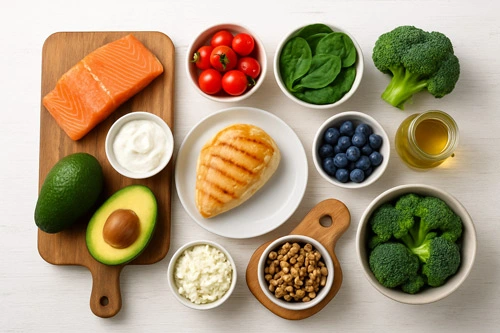
Leafy greens such as spinach, kale, and arugula are staples for detox diets. Rich in fiber, vitamins, and antioxidants, these vegetables help support digestion and reduce oxidative stress. Fresh fruits like apples, oranges, berries, and pomegranates provide natural sweetness, hydration, and essential vitamins, while promoting liver and kidney function. Adding cucumbers, celery, and zucchini can further enhance hydration and support gentle detoxification.
Herbs and spices commonly available in Dubai, such as parsley, coriander, ginger, and turmeric, are also valuable for detox diets. They provide antioxidant and anti-inflammatory benefits, improve digestion, and add flavor without extra calories. Whole grains like quinoa, brown rice, and oats, along with legumes such as lentils and chickpeas, offer fiber and steady energy, helping sustain the body during a detox plan.
Understanding what is a detox diet and selecting foods wisely ensures that detox programs are both effective and safe. By combining fresh produce, whole grains, and supportive herbs, Dubai residents can create simple, nourishing meals that promote wellness while maintaining balance and enjoyment.
How Long Should You Follow a Detox Diet?
When exploring what is a detox diet, one of the most common questions is about the ideal duration. Detox diets are generally intended to be short-term interventions rather than long-term eating plans. Most programs range from one to seven days, depending on the type of detox, your health goals, and your body’s tolerance.
Short-term detox diets, such as juice cleanses or light herbal detoxes, typically last 1–3 days. This duration is sufficient to provide a digestive reset, reduce bloating, and encourage hydration without putting excessive stress on the body. Longer detox programs, up to seven days, may include more substantial meals with fruits, vegetables, and lean proteins to maintain energy while still supporting detoxification.
Understanding what is a detox diet also involves recognizing the risks of extended detoxes. Prolonged restrictive diets can lead to nutrient deficiencies, fatigue, and dehydration, especially in hot climates like Dubai. It is important to listen to your body and adjust the length based on your energy levels and overall comfort. Consulting a healthcare professional or nutritionist can help ensure that the detox is safe and effective.
Ultimately, the best approach is a short, well-planned detox that serves as a reset, followed by balanced meals and healthy habits. Knowing what is a detox diet helps you set realistic expectations and maximize its benefits without compromising your wellbeing.
What Are the Side Effects of Detox Diets?
When learning about what is a detox diet, it is equally important to understand the potential side effects. While detox diets are often marketed as natural and safe, some programs—especially extreme or prolonged ones—can lead to adverse effects if not followed carefully.
Common side effects include fatigue, dizziness, headaches, and irritability. These symptoms often result from reduced calorie intake, low blood sugar, or sudden elimination of caffeine and processed foods. In hot climates like Dubai, dehydration can also occur more easily, particularly during juice cleanses or fasting-based detoxes.
Digestive changes are another possibility. Some people may experience diarrhea, nausea, or bloating as the body adjusts to higher fiber intake, liquid meals, or herbal supplements. Certain detox products or herbs may interact with medications or cause mild allergic reactions, emphasizing the need to understand what is a detox diet before starting.
Long-term or extreme detox diets can also lead to nutrient deficiencies, muscle loss, and slowed metabolism. Therefore, experts recommend short-term, balanced detox programs that include hydration, nutrient-rich foods, and regular monitoring of energy levels. Understanding what is a detox diet allows Dubai residents to weigh the potential benefits against the risks and choose a safe, effective approach that supports overall health.