What is the DIP Diet Plan and How Does It Work?
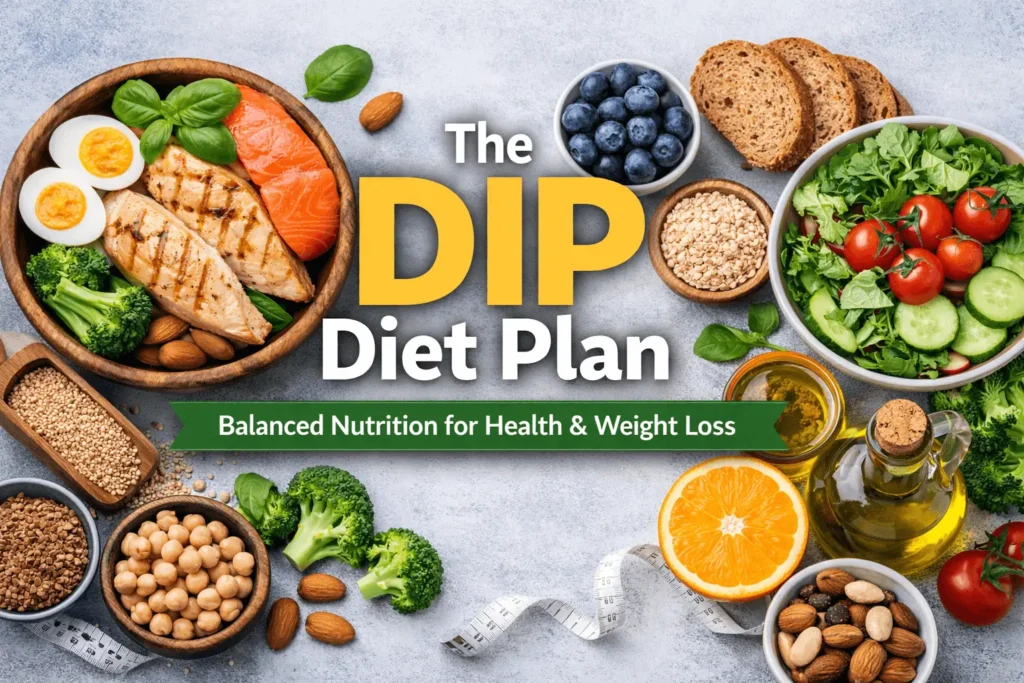
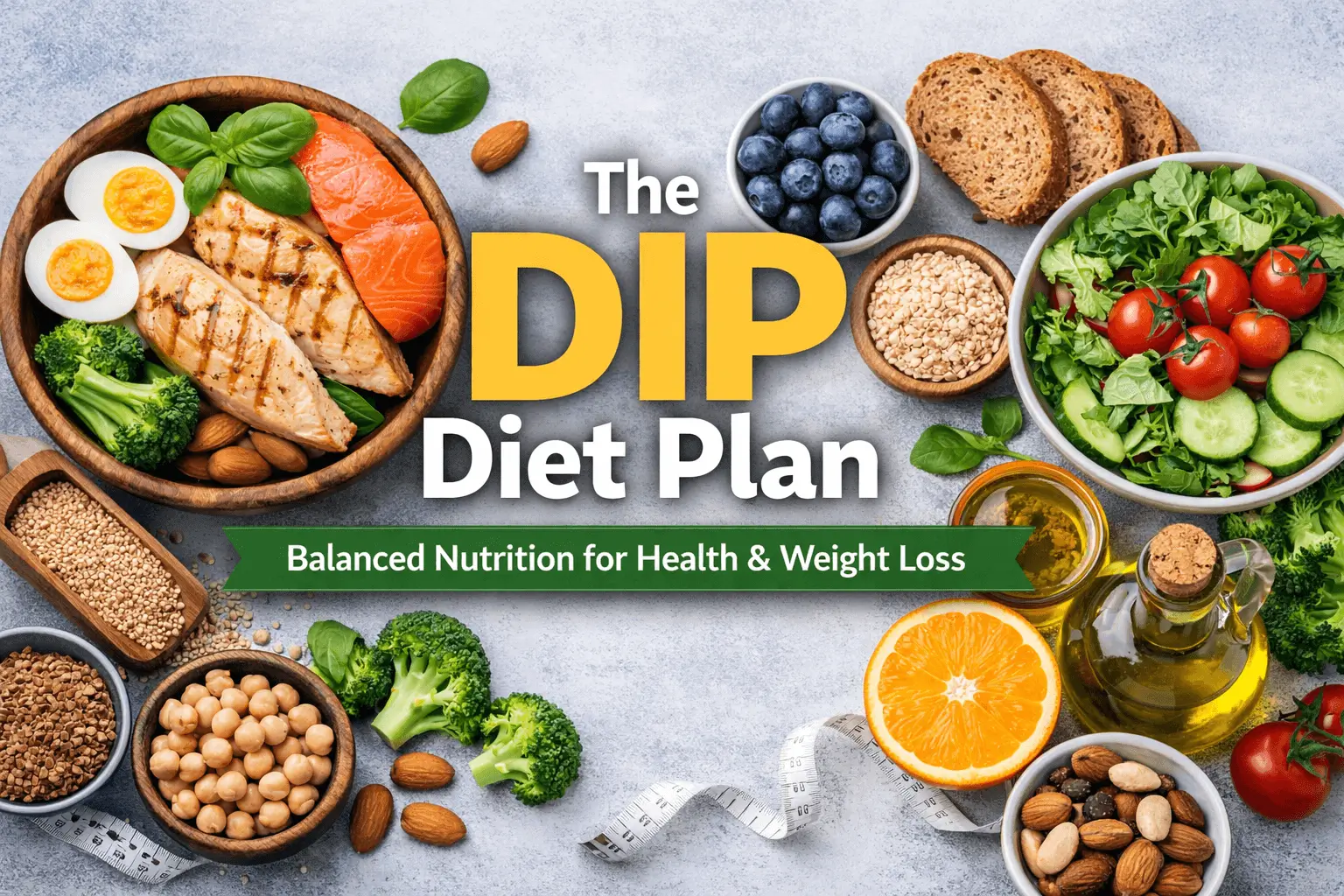
The DIP diet plan is a structured approach to weight management and healthy eating that focuses on balancing the intake of proteins, carbohydrates, and fats while incorporating essential nutrients to support overall health. Unlike fad diets that restrict entire food groups, the DIP diet plan emphasizes moderation and smart food choices, making it sustainable for long-term results. At its core, the DIP diet plan encourages portion control and nutrient-dense meals. Each meal is carefully crafted to provide the right combination of macronutrients, which helps regulate blood sugar levels, enhance metabolism, and promote satiety. By emphasizing lean proteins, whole grains, healthy fats, and fresh vegetables, the diet supports gradual and consistent weight loss without compromising energy or nutrition.
The acronym “DIP” commonly represents Dietary Intervention Program, highlighting its goal of promoting a healthy lifestyle through informed food choices rather than quick fixes. Many followers of the DIP diet plan also benefit from meal planning and mindful eating practices, which reduce overeating and improve digestion. Furthermore, this diet can be adapted to accommodate vegetarian, gluten-free, or other dietary preferences, ensuring flexibility across various lifestyles. Overall, the DIP diet plan works by combining balanced nutrition, portion awareness, and consistency. It is designed to help individuals achieve sustainable weight management while maintaining energy, mental clarity, and overall wellness. For more details on structuring meals, see the Nutritional Breakdown subsection.
Key Principles and Rules of the DIP Diet Plan
The DIP diet plan is built upon clear principles and rules that make it both effective and easy to follow. Central to the diet is the emphasis on balance, portion control, and nutrient-dense foods. Each meal is carefully designed to include a proper mix of proteins, carbohydrates, and healthy fats, ensuring that the body receives essential nutrients without excess calories. One of the primary rules of the DIP diet plan is moderation. Rather than eliminating entire food groups, it encourages controlled portions and mindful eating, allowing individuals to enjoy a variety of foods while still achieving weight management goals. This approach helps prevent common pitfalls associated with extreme diets, such as cravings, nutrient deficiencies, and rapid weight regain.
Another important principle is meal consistency. Followers are encouraged to eat at regular intervals to stabilize blood sugar levels and maintain energy throughout the day. Hydration is also emphasized, alongside the inclusion of fresh fruits, vegetables, and whole grains, which support digestion, metabolism, and overall wellness. Flexibility is a hallmark of the DIP diet plan as well; it can be adapted for vegetarian, gluten-free, or other dietary preferences, making it accessible for a wide range of lifestyles. By adhering to these core principles and rules, individuals are guided toward sustainable weight loss and long-term health. For practical guidance on meal composition, see the Nutritional Breakdown subsection.
Benefits of the DIP Diet Plan for Weight Loss and Health
The DIP diet plan offers numerous benefits that extend beyond simple weight loss, making it a holistic approach to healthy living. One of the primary advantages is effective and sustainable weight management. By focusing on balanced meals with the correct proportions of proteins, carbohydrates, and healthy fats, the DIP diet plan helps regulate appetite, reduce cravings, and promote gradual, steady weight loss without depriving the body of essential nutrients. This ensures that the weight loss process is both safe and maintainable over time.
In addition to weight management, the diet promotes overall health and wellness. The emphasis on nutrient-dense foods, including fresh vegetables, fruits, whole grains, and lean proteins, provides essential vitamins and minerals that strengthen the immune system, improve digestion, and enhance energy levels. Regular adherence can also help stabilize blood sugar, lower cholesterol, and support cardiovascular health. Another significant benefit is the plan’s flexibility and adaptability. It can be tailored to different lifestyles, dietary preferences, and nutritional requirements, whether vegetarian, gluten-free, or low-carb. This flexibility ensures consistent adherence and increases the likelihood of long-term success.
By combining balanced nutrition, portion control, and mindful eating, the DIP diet plan helps individuals shed excess weight while fostering healthier habits that contribute to long-term well-being. For guidance on applying these benefits in daily meals, see the Key Principles and Rules subsection.
Foods to Include and Avoid in the DIP Diet Plan
The DIP diet plan emphasizes the importance of choosing the right foods to achieve effective weight management and overall health. Including nutrient-dense and minimally processed foods ensures the body receives essential vitamins, minerals, and macronutrients while promoting satiety and sustained energy. Foods to include in the DIP diet plan are lean proteins such as chicken, turkey, fish, tofu, and legumes, which provide essential amino acids for muscle maintenance and metabolism. Whole grains like brown rice, quinoa, and oats offer complex carbohydrates for energy and fiber for digestive health. Fresh vegetables and fruits should be consumed daily, as they supply antioxidants, vitamins, and minerals that strengthen immunity. Healthy fats from olive oil, nuts, seeds, and avocados support heart health and hormonal balance.
Conversely, foods to avoid include highly processed items, sugary snacks, fried foods, and refined grains, as these can contribute to weight gain and blood sugar spikes. Limiting sugary beverages and alcohol is also advised, as they provide empty calories and reduce the effectiveness of the diet plan. By focusing on balanced nutrition and mindful food choices, the DIP diet plan enables sustainable weight loss while promoting optimal health. For more guidance on combining these foods, see the Key Principles and Rules subsection.
Sample Weekly DIP Diet Meal Plan
A sample weekly DIP diet plan offers practical guidance while ensuring balanced nutrition and sustainable weight management. Meals include lean proteins, whole grains, healthy fats, and fresh produce to regulate blood sugar, boost metabolism, and maintain satiety. For breakfast, options include oatmeal with fresh berries and nuts, Greek yogurt with chia seeds, or scrambled eggs with sautéed vegetables. These meals provide protein, fiber, and healthy fats for consistent morning energy.
Lunch and dinner focus on lean proteins like grilled chicken, fish, tofu, or legumes, paired with complex carbohydrates such as quinoa, brown rice, or whole-grain pasta. Colorful vegetables and salads add vitamins, minerals, and antioxidants, while a drizzle of olive oil or a small portion of nuts ensures healthy fat intake. Snacks between meals, including fresh fruit, raw nuts, hummus with vegetable sticks, or low-fat cheese, help maintain energy and curb hunger. Portion control and mindful eating are encouraged for all meals and snacks. By following this sample plan, individuals can simplify meal preparation, ensure nutrient balance, and achieve weight management goals. For guidance on food selection, see the Foods to Include and Avoid subsection.
How the DIP Diet Plan Supports Metabolism and Energy
The DIP diet plan not only promotes weight loss but also enhances metabolism and sustains energy levels. By emphasizing balanced meals with appropriate macronutrient combinations, the body receives essential nutrients for optimal function. Proteins are key for metabolism, as digesting and metabolizing them requires more energy than fats or carbohydrates, a phenomenon called the thermic effect of food. Lean proteins like chicken, fish, legumes, and tofu help maintain muscle mass, which is crucial for higher basal metabolic rate and effective calorie burning.
Complex carbohydrates, such as whole grains, fruits, and vegetables, provide steady energy while preventing blood sugar spikes and crashes. Healthy fats from sources like olive oil, nuts, and seeds contribute to energy production and hormone regulation, supporting metabolic health. The DIP diet plan also emphasizes regular meal timing and portion control to prevent overeating and maintain consistent energy levels. By balancing macronutrients and promoting nutrient-dense foods, the plan helps individuals stay energized, focused, and prepared to manage weight effectively. For practical guidance on meal composition, see the Sample Weekly DIP Diet Meal Plan subsection.
Real User Experiences and Testimonials on the DIP Diet Plan
Many followers report positive outcomes in weight management and overall health. The diet’s balanced approach makes it easier to maintain healthy eating habits. Users share that the DIP diet plan reduces cravings and promotes sustainable weight loss. Emphasizing portion control and nutrient-dense foods, individuals feel more satisfied and less prone to overeating. Improvements in energy levels and mental clarity are commonly reported, attributed to the focus on lean proteins, complex carbs, and healthy fats.
The flexibility of the diet is also appreciated. People with vegetarian or gluten-free preferences find it easy to tailor meals accordingly. Structured guidance, as demonstrated in the Sample Weekly DIP Diet Meal Plan, simplifies daily meal preparation and encourages consistency. Overall, real-life experiences confirm that the DIP diet plan is practical and adaptable, offering meaningful weight management results and fostering sustainable healthy lifestyle habits.
Nutritional Breakdown: Proteins, Carbs, Fats, and Essential Nutrients
The DIP diet plan emphasizes a balanced intake of macronutrients and essential vitamins and minerals. Proteins help build and repair muscles, support metabolism, and promote satiety. Sources like lean meats, fish, eggs, legumes, and tofu provide high-quality protein while maintaining controlled calorie intake. Complex carbohydrates, such as whole grains, fruits, and vegetables, provide sustained energy, fiber, and vitamins. Healthy fats from nuts, seeds, avocados, and olive oil support heart health, hormone balance, and nutrient absorption.
Essential vitamins and minerals—such as A, C, D, calcium, magnesium, and potassium—are obtained from fresh produce and whole foods. This nutrient-rich approach strengthens immunity, supports bone health, and promotes overall well-being. By integrating proteins, carbohydrates, fats, and essential nutrients, the DIP diet plan offers a comprehensive nutritional framework for sustainable weight loss, enhanced metabolism, and consistent energy. For practical application, see the Sample Weekly DIP Diet Meal Plan subsection.
Common Mistakes to Avoid While Following the DIP Diet Plan
Even a well-structured plan like the DIP diet can be undermined by certain mistakes. One common error is overeating healthy foods, such as nuts, seeds, and avocado, which can hinder weight loss if consumed excessively. Portion control is essential. Skipping meals or drastically reducing calories can lower metabolism, reduce energy, and lead to cravings or binge eating. Hydration is also critical; insufficient water intake can impede digestion, especially with higher fiber consumption.
Another mistake is lack of variety. Relying on a limited selection of foods can lead to nutrient gaps and meal monotony. Incorporating diverse foods from each macronutrient group ensures balanced nutrition and sustained adherence. Avoiding these mistakes helps individuals stay on track, achieve sustainable weight loss, and reap long-term health benefits. For more guidance, see the Metabolism and Energy and Foods to Include and Avoid subsections.
Recommended Exercises to Complement the DIP Diet Plan
Exercise enhances the results of the DIP diet plan, supporting weight loss, metabolism, cardiovascular health, and overall wellness. Cardiovascular exercises—like brisk walking, jogging, cycling, and swimming—boost heart rate, promote fat burning, and improve stamina. At least 150 minutes of moderate-intensity cardio per week is recommended to complement the diet. Strength training with squats, lunges, push-ups, or resistance bands builds lean muscle, which burns more calories at rest, supporting long-term weight management. Flexibility and recovery exercises, including yoga and stretching, aid muscle recovery, reduce injury risk, and promote mental well-being. By pairing a balanced DIP diet with a structured exercise routine, individuals achieve more effective weight loss, improved energy, and overall wellness.
Adapting the DIP Diet Plan for Weight Loss, Muscle Gain, or Maintenance
The DIP diet plan is versatile, allowing customization for weight loss, muscle gain, or maintenance. For weight loss, moderate calorie reduction, higher protein intake, and fiber-rich vegetables help control hunger, preserve muscle, and promote fat loss. Muscle gain requires higher protein and slightly increased carbohydrates to fuel workouts and support recovery. Weight maintenance focuses on balanced macronutrient intake aligned with daily energy expenditure. Portion control, consistent meal timing, and mindful eating are essential for all goals, enabling sustainable results while maintaining the core principles of the DIP diet.
Potential Side Effects and Who Should Consult a Doctor
While generally safe, some may experience temporary digestive changes such as bloating or gas, especially when increasing fiber intake. Initial fatigue or low energy may occur when transitioning from a diet high in processed foods. Dehydration is possible if water intake is insufficient. Groups who should consult a doctor include pregnant or breastfeeding women, individuals with chronic medical conditions such as diabetes, kidney, or heart disease, and those taking medications that interact with diet changes. Proper monitoring and hydration ensure safety while following the DIP diet plan.
Comparing the DIP Diet Plan with Other Popular Diets
The DIP diet plan distinguishes itself through balanced nutrition, portion control, and flexibility. Unlike restrictive diets such as keto or paleo, it promotes variety and nutrient-dense foods for sustainable long-term results. Compared to low-calorie fad diets, it provides adequate protein, healthy fats, and complex carbohydrates to maintain energy, metabolism, and prevent fatigue or nutrient deficiencies. Unlike intermittent fasting, the DIP diet emphasizes structured daily meal composition, supporting consistent nutrient intake. Its adaptability for weight loss, muscle gain, or maintenance, as well as vegetarian or gluten-free preferences, makes it easier to sustain over time.
Tips for Long-Term Success on the DIP Diet Plan
Sustainable success requires more than following meals—it involves building habits and maintaining consistency. Meal planning and preparation ensures balanced nutrition and reduces reliance on processed foods. Consistency and routine support metabolism and prevent overeating. Tracking progress allows adjustment of portions and macronutrient ratios to suit individual goals. Mindful eating prevents emotional or distracted eating, helping individuals focus on nutrient-dense foods. Combining planning, consistency, progress tracking, and mindful eating ensures lasting results, improved health, and full benefit from the DIP diet plan.